June 29, 2026
A home is a sanctuary that protects you, your family, and your belongings from the unpredictable forces of nature. At the very top of this protective shield is your roof, which quietly bears the brunt of heavy rain, scorching sun, freezing snow, and high winds. Because it is positioned high above our daily lives, it is incredibly easy to take this crucial structural component for granted until a major problem develops. Many homeowners wait until water is actively dripping into their living spaces before they realize that their overhead protection has compromised integrity. Waiting until a crisis occurs often leads to massive repair bills, extensive interior damage, and unnecessary stress. Understanding the subtle warning signs of decay allows you to take action early, saving you time, hassle, and money. When you learn to identify these issues, you can make an informed decision to seek a professional residential roofing service before the damage spreads to other parts of your home. According to This Old House, over 30% of homeowners have invested in roof renovation, repair, or maintenance projects over the past three years. This shows how common it is to care for this vital component of a property. Taking a proactive approach to your home exterior is not just about addressing emergencies, but also about maintaining the overall value of your asset.
Dark Water Stains
One of the most obvious indicators that your overhead protection has failed is the appearance of moisture marks inside your home. These stains often present themselves as discolored spots on your ceiling or along the upper portion of your interior walls. They can range in color from a light yellow to a deep brown, and they frequently expand after a storm. When water manages to bypass your outer shingles, it travels along the wooden rafters and underlayment before dripping down onto your ceiling. By the time you notice a visible stain, the moisture has likely been accumulating in your attic space for a significant period. Ignoring these marks can lead to weakened structural boards, ruined insulation, and the rapid growth of mold, which can affect the air quality of your home. If you notice any discoloration or bubbling paint on your ceilings, it is critical to contact a professional residential roofing service immediately. A qualified team can track the source of the leak, which is often located far from where the stain actually appears, and repair the damage before it compromises your living space.
Damaged Shingles
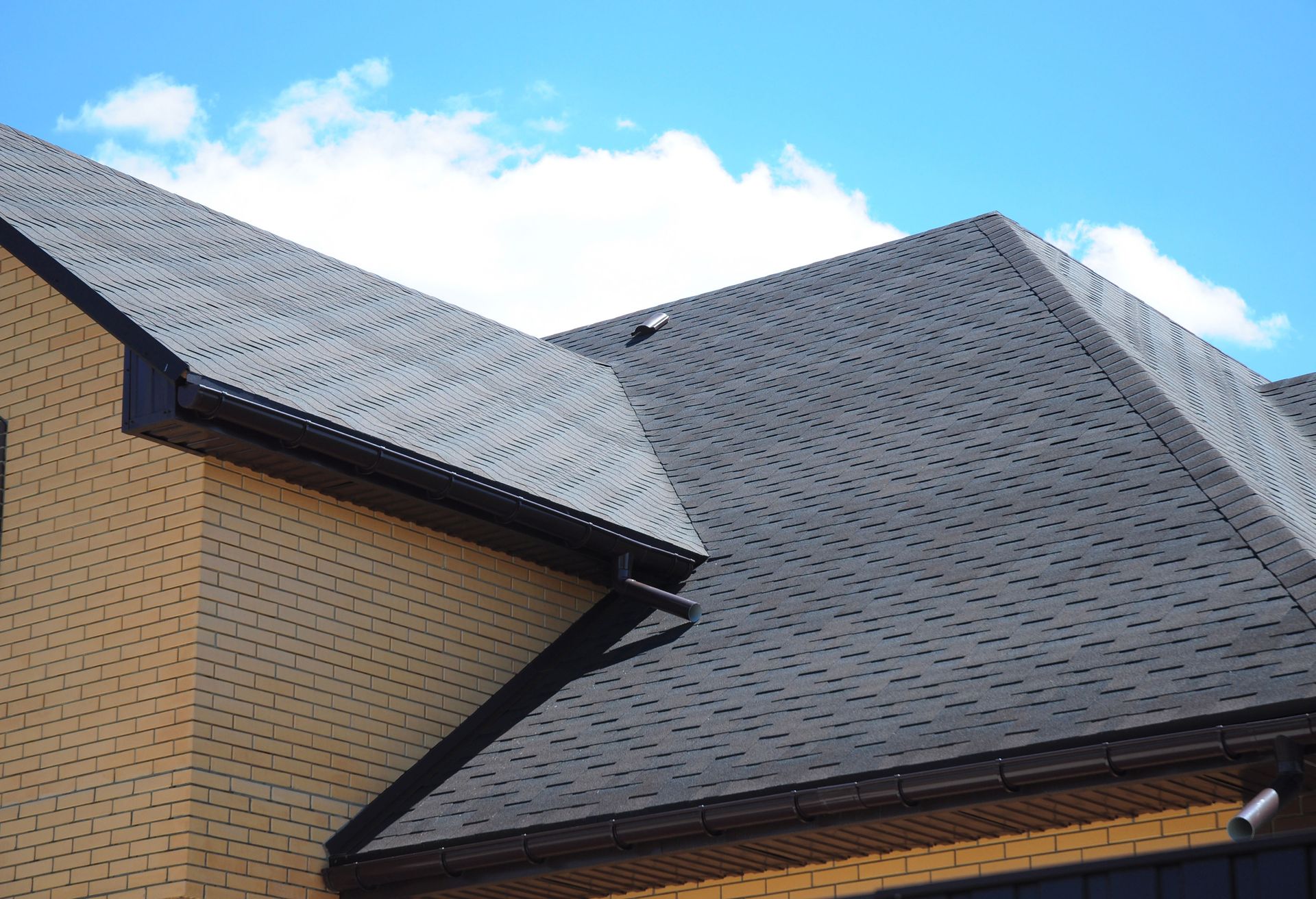
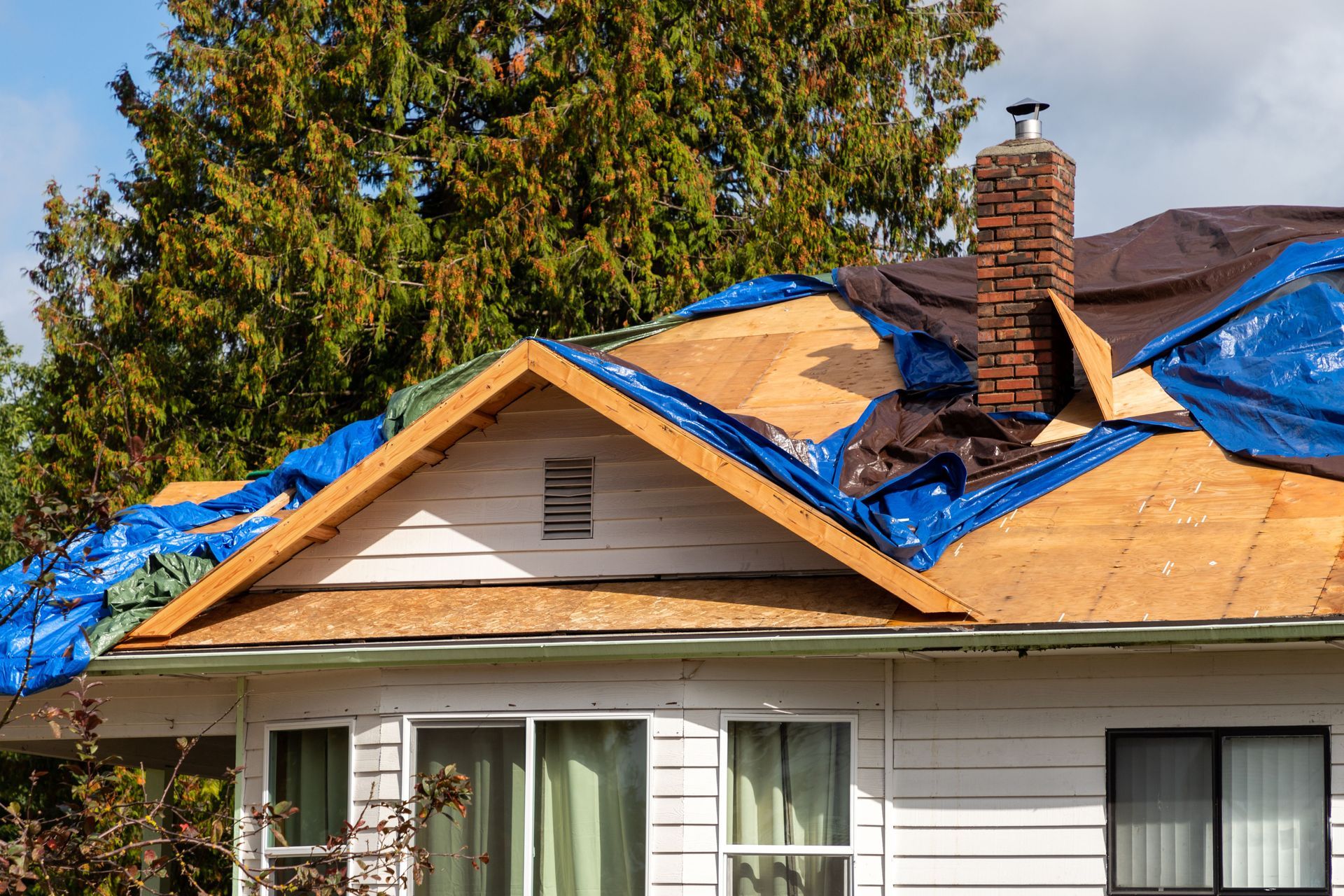
You do not always have to climb a ladder to determine if your home is in need of professional assistance. Often, the evidence of wear and tear will literally fall into your yard. After a severe windstorm or a heavy bout of weather, it is a wise practice to walk around the perimeter of your property and inspect the ground. If you discover pieces of broken shingles, cracked asphalt materials, or entirely missing shingles lying in your grass or on your driveway, your roof has been compromised. Shingles act as individual shields overlapping one another to create a continuous barrier against water intrusion. When even a single shingle is torn away or cracked, it exposes the vulnerable underlayment beneath it to direct sunlight and moisture. Over time, exposure to the elements will deteriorate this underlayment, leading to leaks. Finding shingle debris on your lawn is a clear message that your exterior is struggling to withstand environmental forces and requires prompt attention. Having a team assess the overall condition of your remaining shingles can help determine whether you need minor patching or a more comprehensive replacement.
Unwanted Light Intrusion
Your attic is a valuable diagnostic tool when it comes to assessing the health of your home exterior. If you have access to this upper space, you should perform periodic checks, particularly on a bright, sunny afternoon. Turn off any artificial lights in the attic and look up toward the underside of the roof boards. If you can see beams of daylight piercing through the wood, you have a direct pathway for wind, water, pests, and debris to enter your home. Where light can enter, rainwater will surely follow during the next storm. While you are up there with a flashlight, you should also look for signs of dampness on the rafters, rusted nails, or dark spots on the wood. Damp insulation is another major red flag, as wet insulation loses its ability to regulate your home temperature, leading to higher energy bills. Identifying these issues early from inside your attic is a great way to catch leaks before they destroy your finished ceilings below. Resolving these structural gaps requires the expertise of a residential roofing service to ensure that the exterior barrier is sealed correctly and can withstand future weather events.
Excessive Granule Loss
Asphalt shingles are coated with a layer of mineral granules that serve several critical purposes. These tiny, sand-like particles protect the underlying asphalt from the damaging effects of solar heat and ultraviolet radiation. They also provide fire resistance and give your shingles their color and texture. As shingles age and endure constant exposure to sun, rain, and temperature swings, they naturally begin to shed these granules. However, when the shedding becomes excessive, it is a major sign of deterioration. You will often notice these granules accumulating in your gutters or washing out of your downspouts after a rainstorm, appearing as piles of dark, coarse sand. When shingles lose a significant portion of their granules, the underlying asphalt becomes exposed to direct sunlight, causing it to dry out, crack, harden, and curl. This makes the shingles extremely brittle and highly susceptible to wind damage and water penetration. If you find a substantial buildup of dark granules in your gutters during your routine cleaning, it is a strong signal that your shingles are reaching the end of their functional lifespan and that a professional assessment is needed to evaluate your options.
Sagging Rooflines
A sagging roofline is one of the most serious structural warnings a homeowner can encounter, and it demands immediate professional attention. When you look at your home from the street, the ridge of your roof should be straight and level, and the slopes should be flat and uniform. If you notice any dipping, curving, or sagging along the ridge or in the middle of a slope, the underlying support structure is failing. Sagging can be caused by a variety of severe issues, including long-term water damage that has rotted the wooden rafters, improper original installation, or weight loads from accumulated snow or ice. This is not a cosmetic issue; it indicates that the physical integrity of your home structure is at risk of partial collapse. A sagging roofline requires an urgent visit from a qualified residential roofing service to diagnose the root cause of the structural failure. Experts can determine whether the supports need to be reinforced or if a complete structural rebuild is necessary to make your home safe for your family once again.
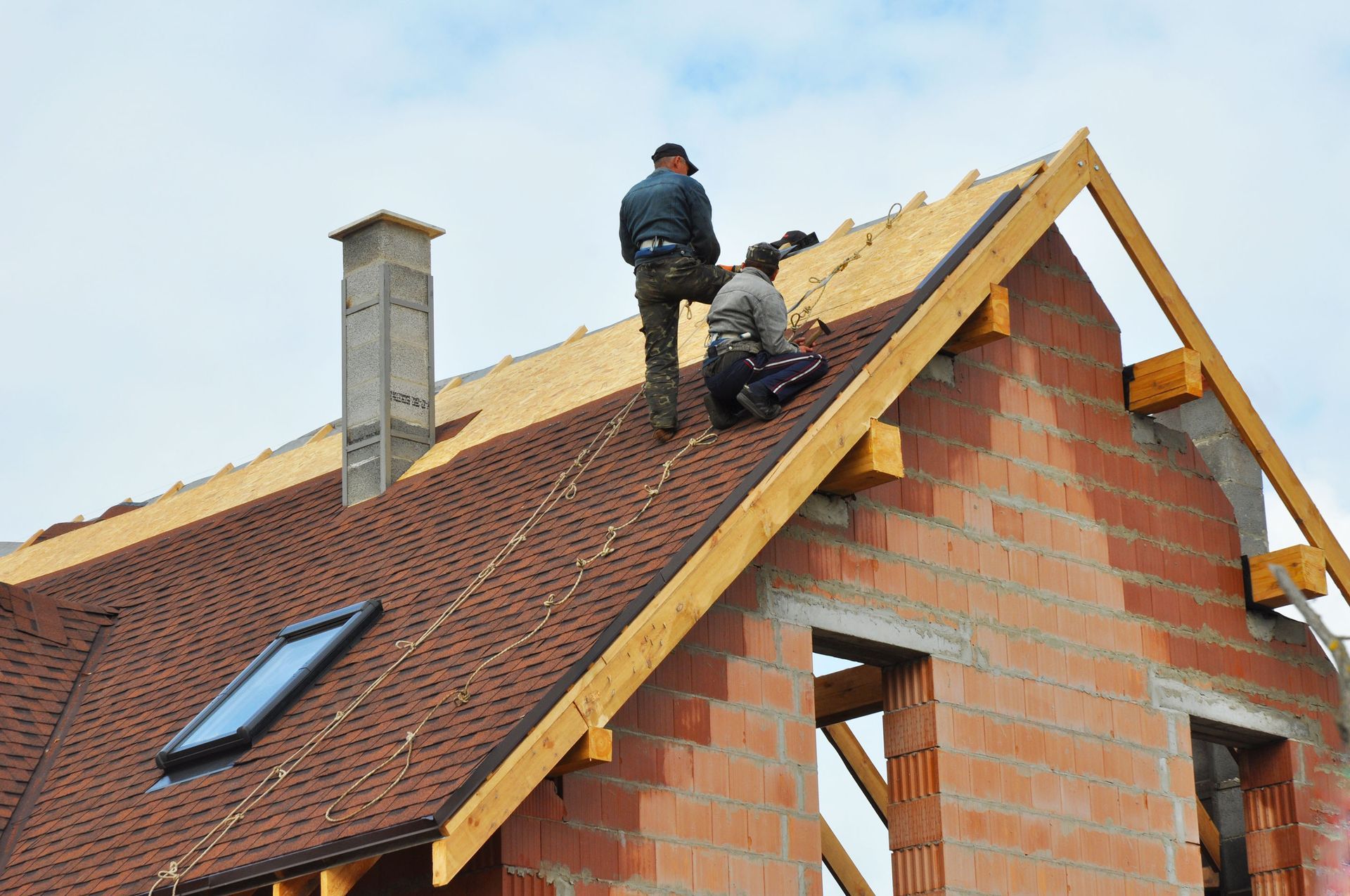
At Future Construction, we understand that maintaining a secure and reliable roof over your head is one of the most important aspects of protecting your home and family. We are fully committed to helping you navigate any issues you face, providing professional evaluations and high-quality repairs that restore your peace of mind. Our experienced team works diligently to identify subtle signs of damage before they turn into costly disasters, ensuring that your home remains safe and dry through every season. We believe that every homeowner deserves transparent communication, exceptional craftsmanship, and reliable solutions when dealing with their exterior assets. If you have noticed water spots on your ceilings, missing shingles on your lawn, or any other signs of wear and tear, we invite you to reach out to us today to secure the assistance of our trusted
residential roofing service.