June 24, 2026
The roof of a home is more than just a protective covering; it is a critical component that ensures the safety, comfort, and financial viability of the residence. Choosing the right roofing materials and design is paramount to crafting a roof that endures various environmental elements, offers long-term economic value, and provides the strongest possible protection against the forces of nature. In this comprehensive exploration, we delve into the myriad factors that contribute to designing residential roofs that excel in strength, offer high value, and exhibit exceptional weather resistance.
The Importance of Strength in Residential Roofing
Understanding Roof Load Capacity
Roof load capacity is a fundamental consideration in ensuring the structural integrity of a building. It refers to the maximum weight a roof can safely support, accounting for factors such as snow, wind, and rain, as well as the weight of the roofing materials themselves. Accurate assessment of load capacity helps avoid structural failures, which can lead to catastrophic damage over time. By designing roofs to accommodate both static and dynamic loads, homeowners can mitigate risks and safeguard their investment. Engineers use load analysis techniques to calculate and enhance roof strength, ensuring it withstands the worst weather conditions.
Material Choices for Enhanced Durability
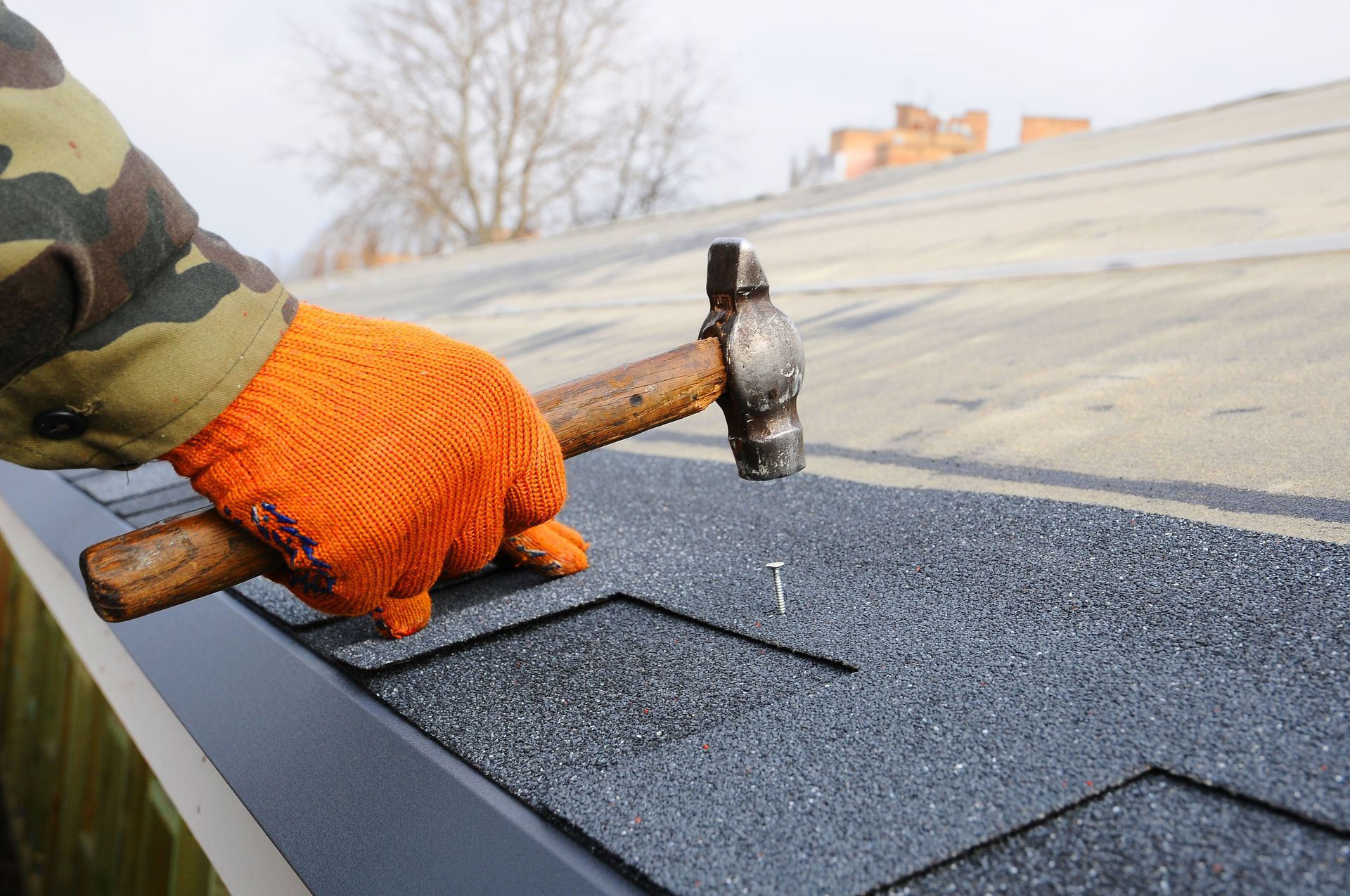
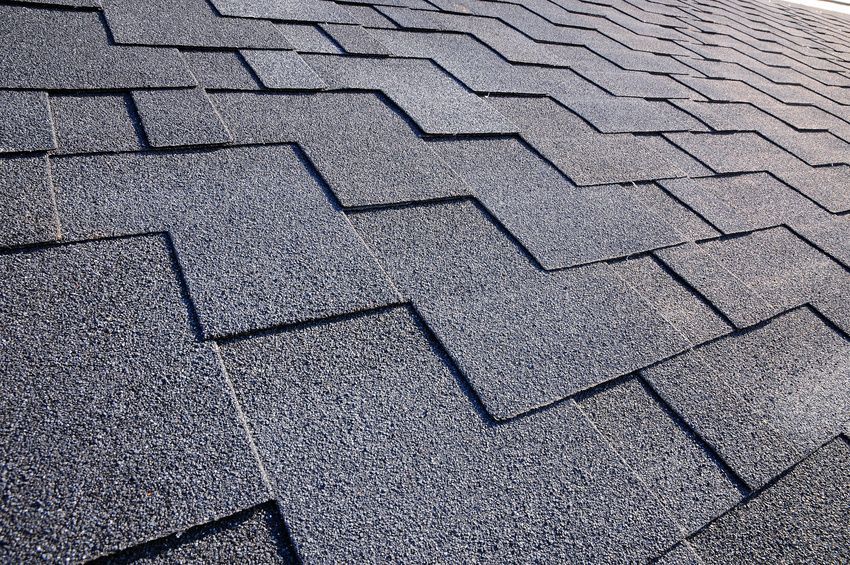
Choosing the appropriate materials is crucial for achieving a durable roofing system. Materials such as metal, tiles, and high-quality asphalt shingles are widely recognized for their robustness and longevity. Among these, asphalt shingles are particularly popular, used in roughly 80% of roofing projects, according to RubyHome. This widespread use is due to their blend of affordability, strength, and ease of installation. Modern advancements in materials have also led to the development of composite shingles, which offer even greater durability and extended lifespans.
The Role of Structural Support
The strength of a roof isn't solely determined by the outer materials; it heavily relies on structural support. Beams, trusses, and rafters form the backbone of a roof, distributing weight evenly and providing a firm foundation for roofing materials. The integration of advanced support designs, such as reinforced trusses and load-bearing walls, further enhances a roof's ability to withstand environmental pressures. Proper alignment and secure fastening of these supports are imperative to prevent sagging or collapse. Builders often employ calculated engineering principles to optimize these elements, ensuring long-term strength and resilience.
Case Studies: Strong Roofs in Extreme Conditions
Real-world examples offer critical insights into the efficacy of strong roofing designs in extreme conditions. Consider homes near hurricane-prone areas, which often utilize metal roofing due to its high resistance to wind and debris impact. In snowy regions, steeper roof pitches and reinforced support structures are employed to prevent accumulation and damage. Post-disaster assessments frequently reveal that homes with appropriately designed roofs fare significantly better against adverse conditions. Investing in a well-constructed roof pays off by protecting the entire home and reducing recovery costs after extreme events.
Evaluating Contractor Expertise and Techniques
The quality of roofing largely depends on the skill and expertise of the contractor. Professionals with extensive experience in local building conditions can tailor roofing solutions to specific environmental challenges. Techniques such as staggered nailing and interlocking shingle designs further enhance roof strength. Conducting thorough vetting of potential contractors ensures that homeowners select a qualified team capable of executing complex roofing designs. Ultimately, the fusion of skilled labor and top-tier materials defines the durability and effectiveness of residential roofing.
Maximizing Value in Roofing Materials
Cost-benefit Analysis of Different Roofing Options
Evaluating cost versus benefit is essential in selecting the right roofing material. While initial costs can be significant, options such as metal and slate roofs offer compelling long-term savings. Asphalt shingles, being budget-friendly and widely used, pose a cost-effective choice for many homeowners. However, assessing initial price against longevity and maintenance costs reveals the true economic value of each option. A detailed cost-benefit analysis can guide homeowners in making informed decisions, balancing upfront expenses with future gains.
Long-term Investment Benefits
The value of a roof should be measured not just by immediate costs but by the long-term benefits it provides. High-quality roofs often lead to lower repair and maintenance expenses over time, translating into substantial savings. Moreover, they add resale value to homes, attracting buyers who recognize the importance of a reliable roofing system. By investing in durable materials and professional installation, homeowners ensure that their roof remains an asset, offering security and peace of mind for decades. Energy efficiency improvements from modern roof designs also contribute to the financial advantages of quality roofing.
Energy Efficiency and Cost Savings
Energy-efficient roofing materials provide significant cost savings by reducing heating and cooling expenses. Light-colored roofs reflect more sunlight, reducing heat absorption and lowering cooling costs during summer. Advances in technology have led to \"cool roofs\" that incorporate reflective coatings or materials to enhance thermal performance. Rebates and incentives may be available for homeowners who choose energy-efficient roofing solutions, further lowering overall costs. The integration of these systems helps justify the initial expense by delivering long-term financial and environmental benefits.
The Influence of Roofing Warranty and Guarantees
Warranties play a crucial role in determining the value proposition of a roofing system. A comprehensive warranty demonstrates manufacturer confidence in their product's durability and performance. These guarantees often cover material defects and installation errors, offering homeowners protection and peace of mind. Understanding the terms and conditions of roofing warranties is essential to leveraging their full benefits. Essentially, a robust warranty underpins the assurance of quality and longevity, contributing to the roofing's overall value.
Comparative Study of Popular Roofing Materials
A comparative analysis of common roofing materials helps elucidate their respective advantages. Asphalt shingles, prevalent in 80% of projects, are appreciated for their cost-efficiency and moderate durability. Metal roofs, although more expensive initially, offer exceptional longevity and resistance to harsh weather. Tile roofs boast impressive aesthetic appeal and durability, particularly in hot climates, but require substantial structural support. Each material presents a unique set of benefits and drawbacks, allowing homeowners to select the best fit for their needs and circumstances.
Weather Resistance: Protecting Your Home
Identifying Weather-related Threats
Weather resistance is a fundamental attribute of any reliable roofing system. Roofs must withstand varied weather threats, including windstorms, hail, snow, and heavy rainfall. Design considerations, such as proper water drainage and impact-resistant materials, play a crucial role in mitigating these challenges. Understanding local climate conditions is essential when designing a roof, as it informs both material selection and structural design. Resilient roofs reduce repair and maintenance costs while protecting the home from potential internal damage caused by leaks and structural failures.
Innovations in Weatherproof Roofing
The roofing industry continually advances, with innovations focusing on enhancing weather resistance. New materials and technologies offer better protection against moisture penetration, impact damage, and environmental wear. For example, high-performance synthetic underlayments and polymer-modified shingles provide increased resistance to water and wind infiltration. These cutting-edge materials extend the lifespan of roofs, reducing the frequency of repairs and replacements. By embracing these advancements, homeowners can ensure their roofs are equipped to deal with increasingly severe weather patterns.
In conclusion, selecting and maintaining a residential roofing system requires careful consideration of materials, installation practices, and environmental conditions. A robust roofing system, designed for strength and value, withstanding diverse weather threats, serves as a critical defense for any home. By making informed decisions about roofing materials, enlisting skilled professionals for installation, and adhering to proactive maintenance schedules, homeowners can optimize their roof's longevity and performance. Ultimately, a well-designed roof represents a sound investment, providing security, comfort, and economic benefits for generations to come. Be sure to reach out to Future Construction today to learn more about our professional residential roofing!