July 6, 2026
When a severe storm rolls through your neighborhood, it leaves behind more than fallen branches and scattered debris. High winds, heavy rain, and hail take a toll on your home. Your roof acts as the primary shield against these elements, bearing the brunt of the impact. Even if everything looks fine from the ground, hidden damage often compromises your safety. Ignoring these issues leads to costly repairs.
Knowing the condition of your exterior after a storm requires professional assessment. Local roofing companies step in to provide a thorough evaluation of the system. They'll know exactly where to look for stress points and subtle signs of deterioration. Homeowners might overlook a small dent or loose flashing, but professionals spot these red flags immediately. By identifying problems early, these experts help you avoid massive interior water damage.
1. Missing or Damaged Shingles
High winds tear across rooftops with force, lifting or removing shingles. When a shingle lifts, the seal breaks, leaving underlying materials exposed. This exposure allows rainwater to seep into the wood decking and ultimately into your attic. Professionals immediately scan the surface for bare patches where the protective layer is missing. They also look for shingles that flap loosely, as these will likely detach during the next weather event.
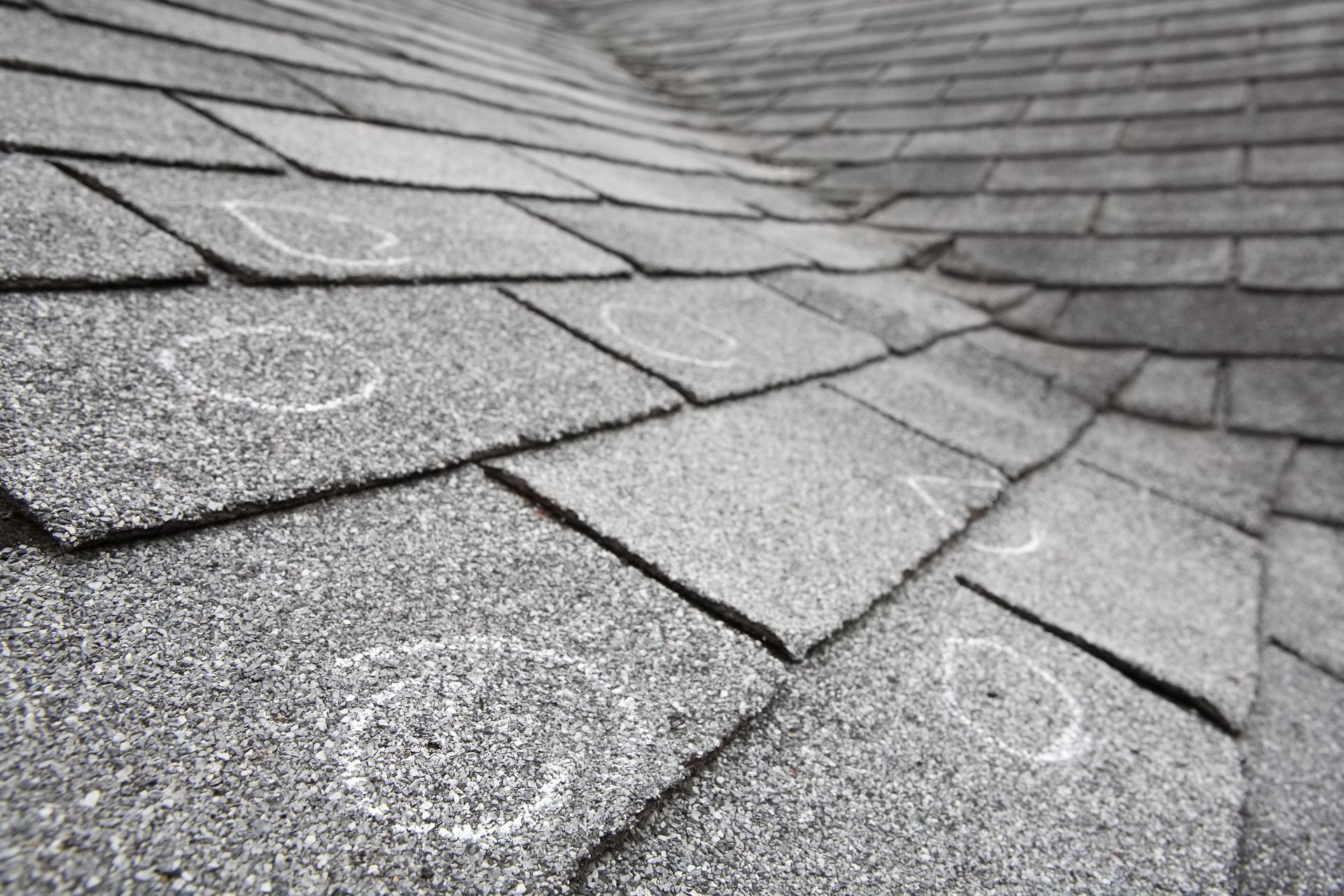
Hail causes a different type of damage that is equally problematic. When hail impacts a roof, it creates circular dents on the surface. These dents fracture the fiberglass matting underneath, compromising the water resistance of the entire section. While a small dent seems harmless, it significantly reduces the lifespan of the material. Inspectors carefully examine the surface for these telltale impact marks to ensure your exterior remains watertight.
Sometimes the damage isn't obvious to the untrained eye. Wind can crease a shingle without tearing it completely off. A crease happens when a shingle bends backward and settles back into place. Some roofing companies refer to this as a wind-creased shingle, and it always warrants replacement. The creased line becomes a weak point where water infiltrates the system. Inspectors walk the entire perimeter to find these subtle issues.
2. Excessive Granule Loss
Asphalt shingles get their durability from thousands of tiny granules embedded in the surface. These granules protect the underlying asphalt from harmful ultraviolet rays and provide fire resistance. Heavy rain and hail dislodge these protective particles, washing them down the slope. Reputable roofing companies check your gutters and downspouts for heavy accumulations of these granules. Finding a thick layer of grit in your gutter indicates severe wear and tear.
Losing some granules is a normal part of the aging process. However, a sudden and massive loss after a weather event signals immediate trouble. When asphalt is exposed to the sun without its protective coating, it dries out rapidly. This drying process causes the material to crack, blister, and eventually fail entirely. A professional inspection determines whether the granule loss is normal or storm-related, ensuring you understand the true condition of your exterior.
Inspectors look closely at the bald spots left behind on the shingles. If the fiberglass mat is visible through the asphalt layer, the material has lost its ability to shed water. These bare patches leave your home unprotected against future rain. The inspector documents the size and frequency of these bald areas across all slopes. They also evaluate the valleys where two roof planes meet, as these areas handle the highest volume of water runoff.
3. Damaged Flashing and Seals
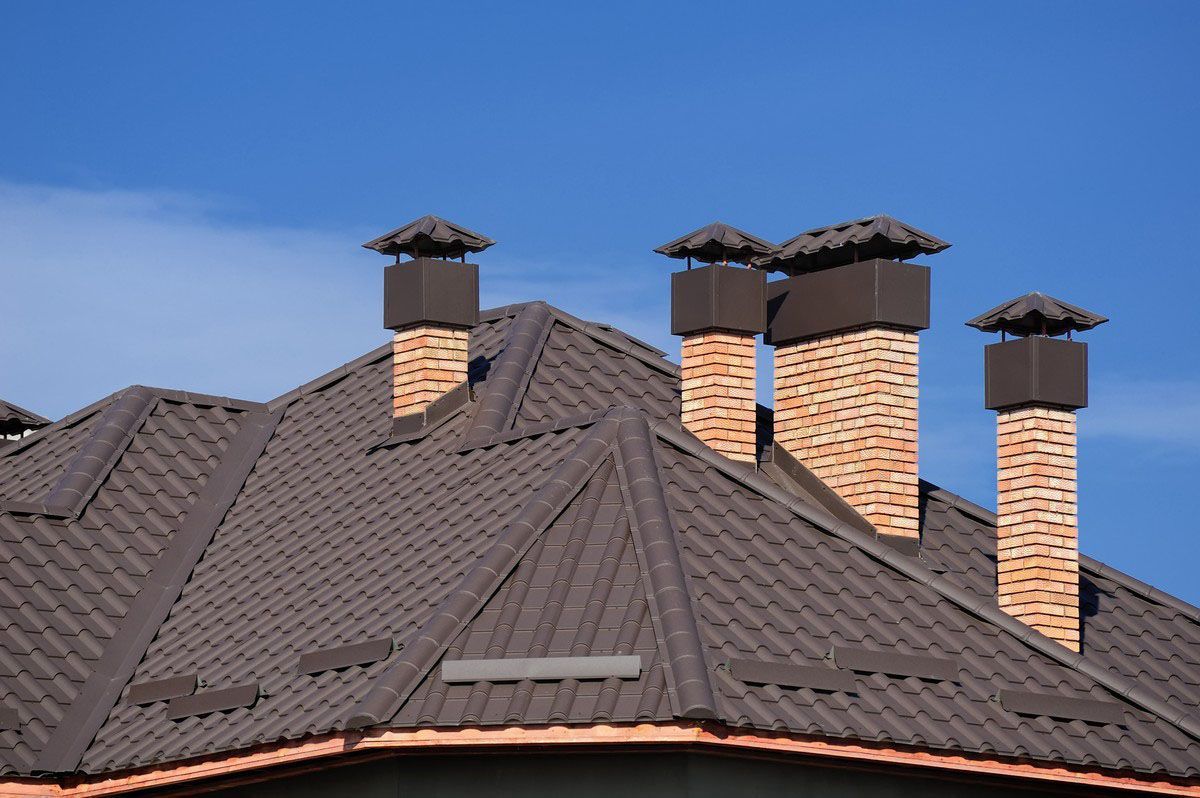
Flashing refers to metal strips installed around chimneys and skylights. These components bridge the gap between roofing material and protruding structures. High winds can easily pry loose these thin metal strips, breaking the watertight seal. Once the flashing bends or lifts, water finds a direct path into the underlying decking. Assessing the condition of these metal components is a critical part of the inspection for roofing companies, as they are essential for keeping your interior dry.
Caulk and sealant around these penetrations also degrade rapidly during extreme weather. Hail impacts can crack the sealant, while sudden temperature changes cause it to shrink and pull away from the surface. A compromised seal is often the first place a leak develops after a major storm. Inspectors carefully probe these sealed areas to ensure they remain pliable and firmly attached. Catching a broken seal early prevents moisture from rotting the structural beams beneath the shingles.
Vents and exhaust pipes feature rubber boots that prevent water from sliding down the pipe into the attic. Hail easily tears the rubber, and extreme heat dries it out, making it brittle. Wind-blown debris can also puncture these rubber boots, creating an instant leak. Many professionals prioritize checking these rubber components because they fail frequently during severe weather. Replacing a damaged vent boot is a straightforward repair that'll save homeowners from major water damage.
4. Underlying Structural Issues
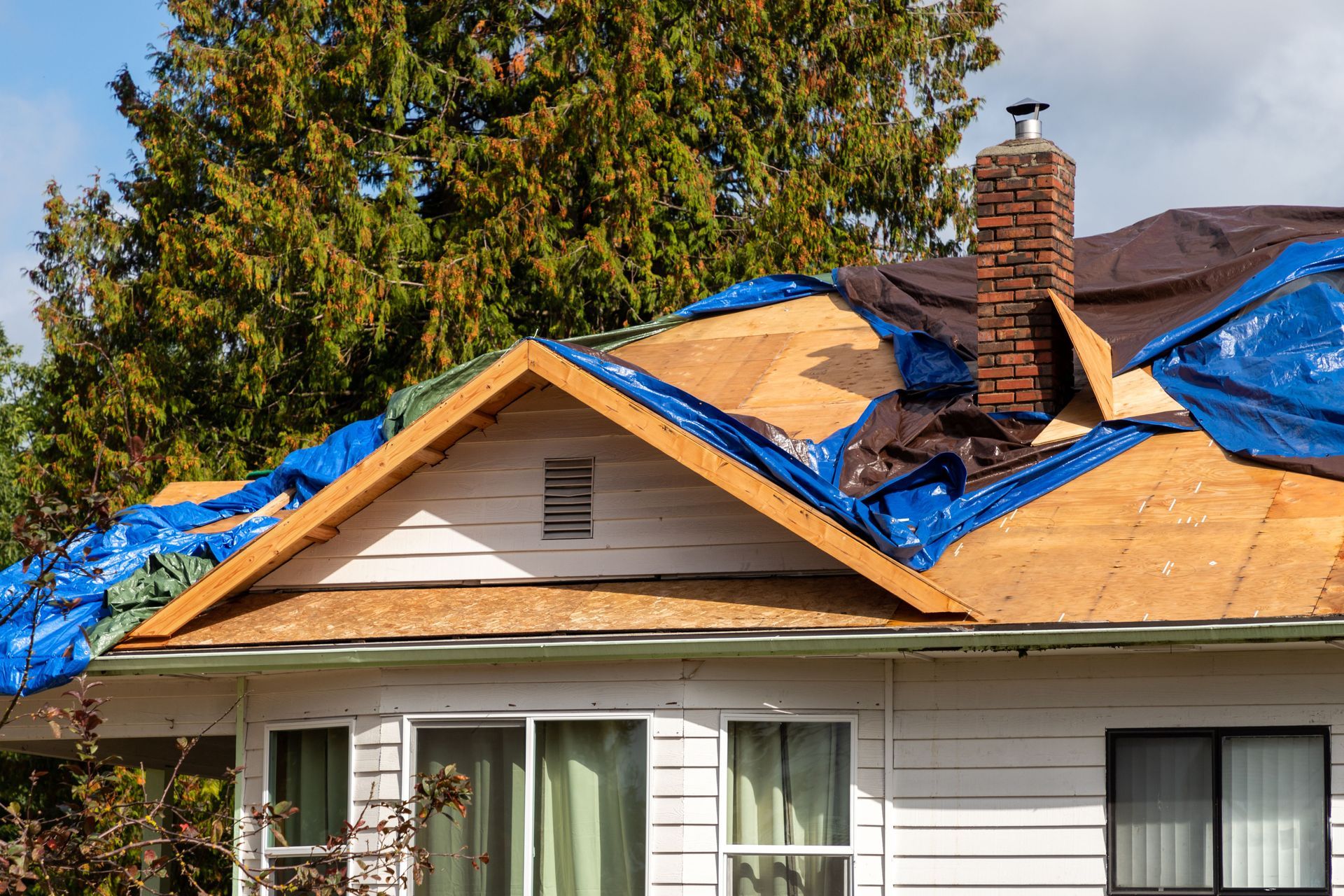
Surface damage is only one part of the equation when you're evaluating a home after a storm. Inspectors must also determine if the underlying wood decking sustained any structural damage. Heavy impacts from large hail or falling branches can crack the plywood sheathing underneath the shingles. If the wood deck breaks, it compromises the safety and stability of the entire structure. Walking the surface helps professionals feel for soft spots, indicating broken wood.
Water intrusion from previous storms might have already weakened the structural supports. When water sits on wood decking for extended periods, the wood begins to rot and decay. A newly formed leak will accelerate this rotting process, leading to structural collapse. Most roofing companies recommend an attic inspection to look for dark water stains or mold growth on the rafters. Viewing the structure from the inside provides a clear picture of its overall health and stability.
The age of your materials plays a huge role in how well they withstand severe weather. Older materials turn brittle and lose their flexibility, making them highly susceptible to wind and hail damage. According to Today's Homeowner, roofs over 20 years old usually need frequent repairs, making replacement the smarter option. A storm might just be the final push an older system needs before it fails completely. Inspectors evaluate whether a simple repair is sufficient or if replacement is necessary.
Recovering from a major weather event requires patience and attention to detail. Skipping a professional inspection might save a little time upfront, but it often leads to disaster later. Water has a way of finding even the smallest opening, and a minor leak can rot wood, ruin drywall, and invite mold into your living spaces. Taking proactive steps immediately following a storm protects your property value. Never assume your exterior is fine just because you don't see missing pieces from your driveway.
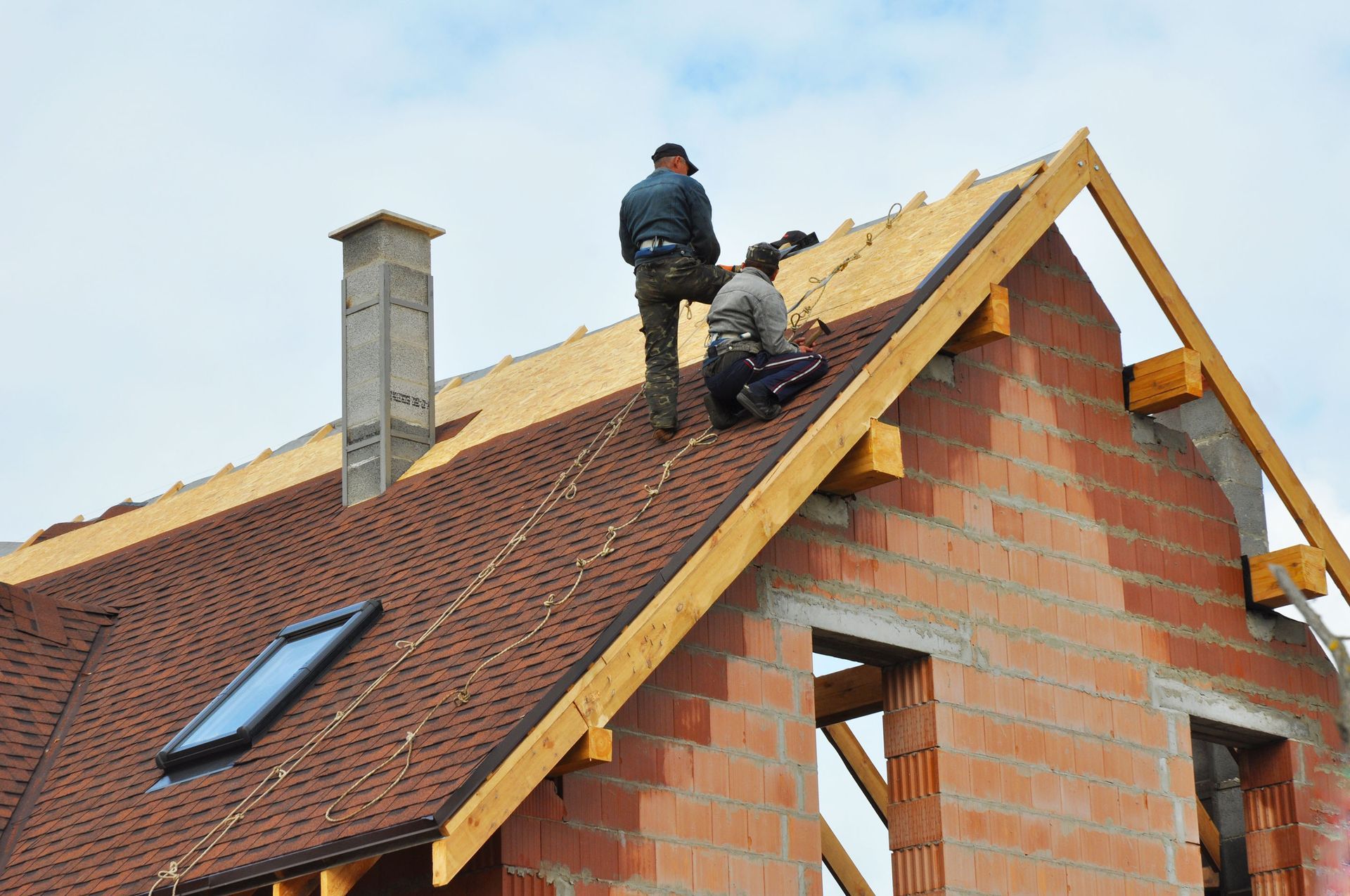
Bringing in professionals ensures every inch of your exterior gets the attention it deserves. They climb up high, walk the steep slopes, and document every single area of concern. Their expertise allows them to distinguish between cosmetic blemishes and severe functional damage. By addressing these four critical areas quickly, you ensure your home remains safe and dry. Staying ahead of the damage keeps your property secure for the next time the dark clouds roll in, saving you money and stress.
Contact Future Construction today to schedule your professional inspection and see why we stand out among other local roofing companies.