April 20, 2026
Choosing a roofing partner for a commercial property requires more than a quick comparison of estimates. It involves understanding how the industry operates and what separates dependable service providers from inconsistent ones. Roofing systems on commercial buildings are large-scale investments that affect safety, energy efficiency, and long-term structural performance.
According to IBISWorld, roughly 109,000 roofing contractors are operating in the United States, highlighting a highly competitive and fragmented industry.
With so many businesses offering similar services, property owners must carefully evaluate qualifications, consistency, and long-term reliability before making a decision. A reliable commercial roofing company is typically one that demonstrates stability in its operations and a clear understanding of complex roofing systems. Commercial properties often require specialized materials, large crews, and coordinated scheduling, all of which demand experience and planning.
The variety of options in the market can make selection challenging, but it also allows property owners to choose based on quality rather than convenience. Understanding the broader industry landscape helps set realistic expectations and encourages more informed decision-making throughout the selection process.
Evaluating Experience and Project History
Experience plays a central role in determining whether a roofing provider can handle commercial-scale projects effectively. Large buildings often present unique structural demands, drainage considerations, and long-term durability requirements that require more than basic roofing knowledge. A seasoned commercial roofing company is more likely to have worked on a wide range of building types, from retail complexes to industrial facilities. This background allows them to anticipate challenges and apply proven solutions rather than relying on trial and error.
Reviewing past projects provides insight into workmanship quality, attention to detail, and ability to complete jobs within expected timelines. It also helps identify whether the contractor has handled projects similar in size and complexity to your own property. Strong experience often translates into smoother project execution. It reduces the likelihood of delays, unexpected costs, and installation errors. Over time, this reliability becomes one of the most important factors in maintaining building performance and protecting long-term investment value.
Verifying Licensing and Insurance Coverage
Proper licensing and insurance are essential safeguards in any roofing project, especially in commercial environments where risks are higher and regulations are stricter. These credentials ensure that the contractor is authorized to perform work and is operating within legal and safety standards. A qualified commercial roofing company should be able to provide documentation showing active licensing and adequate insurance coverage. This typically includes liability insurance and workers’ compensation, both of which protect property owners from financial responsibility in the event of accidents or damage.
Without proper coverage, even a small incident on-site can lead to significant financial exposure. That is why verifying these details before work begins is a critical step in the selection process. Beyond compliance, licensing, and insurance also reflects signs of a dependable roofing company. Contractors who maintain these requirements demonstrate accountability and a commitment to operating within established industry guidelines. This helps create a safer and more predictable project environment from start to finish.
Reviewing Materials and Installation Quality
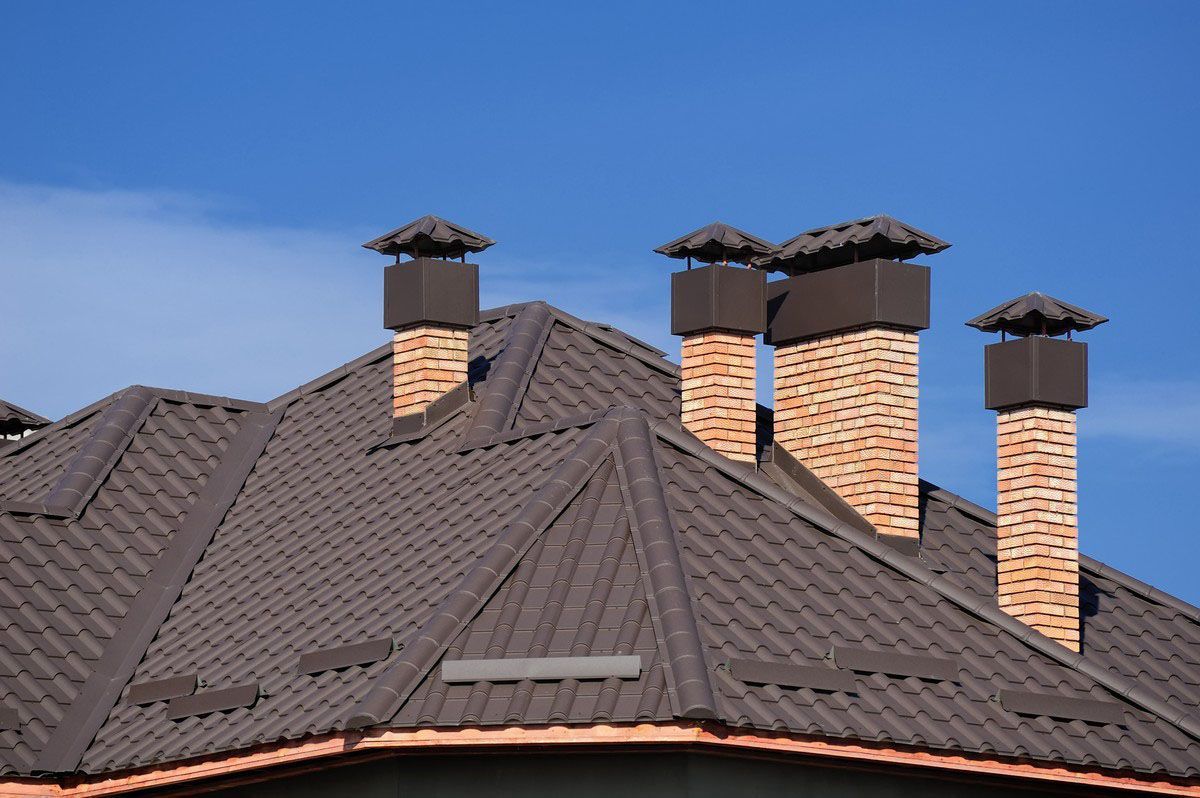
The durability of any roofing system depends heavily on both the materials used and the quality of installation. Commercial roofs are exposed to constant environmental stress, including temperature fluctuations, heavy rainfall, and UV exposure, making material selection a key factor in long-term performance. A dependable commercial roofing company focuses on using materials designed for strength, energy efficiency, and longevity. However, even the best materials can fail if they are not installed correctly. Proper installation techniques ensure that seams are sealed, drainage is optimized, and structural integrity is maintained.
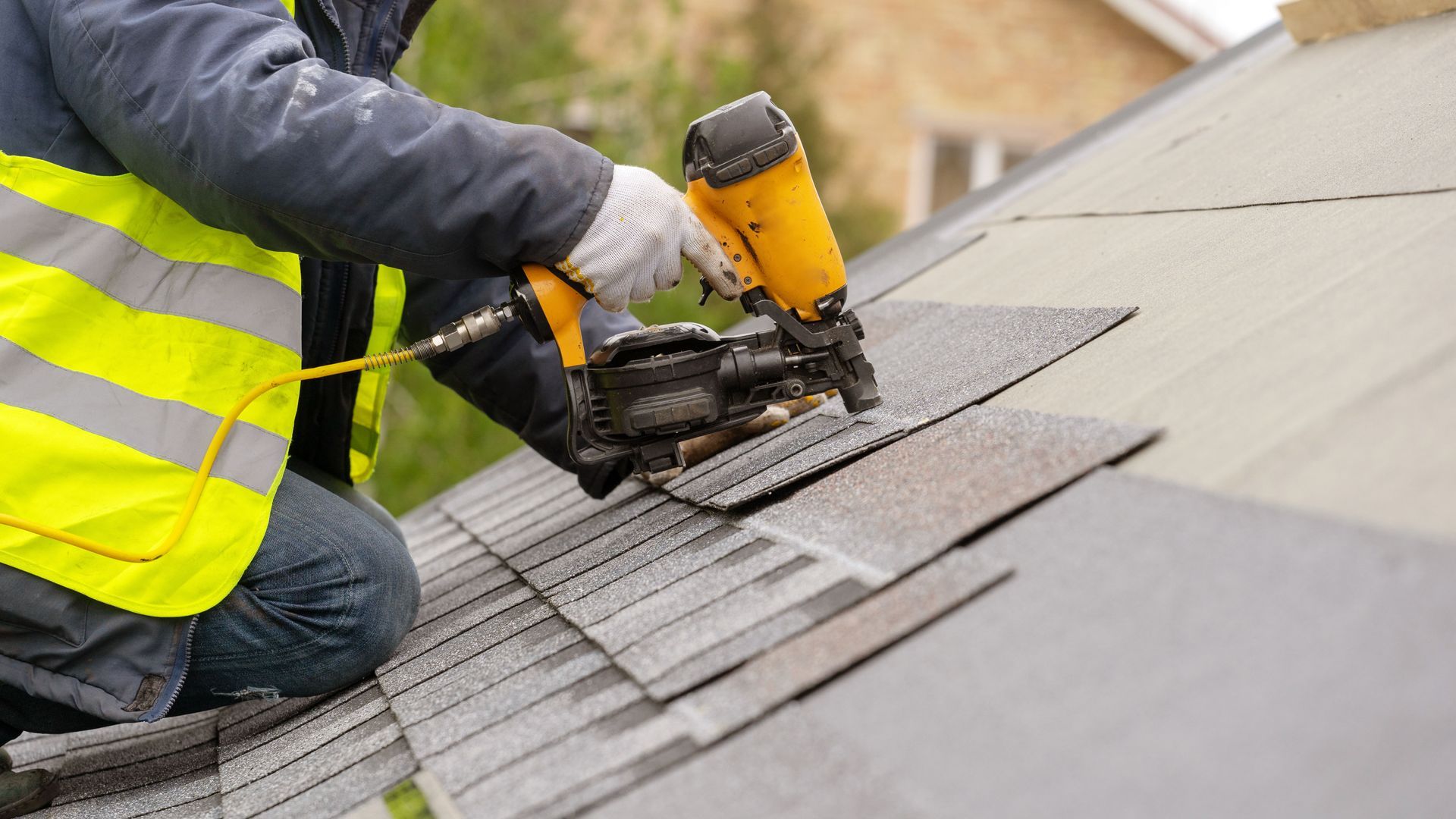
Attention to detail during installation helps prevent common issues such as leaks, pooling water, and premature wear. It also reduces the need for frequent repairs, which can become costly over time. High-quality workmanship is often visible in the consistency of completed projects. Clean finishes, precise alignment, and adherence to manufacturer specifications all indicate a strong level of skill and professionalism. These factors contribute directly to the long-term performance of the roofing system.
Comparing Pricing and Value Transparency
Cost is an important consideration in any commercial roofing project, but it should never be the only factor guiding a decision. Understanding what is included in a proposal is just as important as the total price itself. A transparent commercial roofing company provides detailed estimates that clearly outline materials, labor, project timelines, and potential additional costs. This level of clarity helps property owners avoid unexpected expenses and ensures smoother project planning.
Comparing multiple bids allows for a better understanding of market pricing and service differences. However, lower pricing does not always translate into better value. In some cases, reduced costs may reflect lower-quality materials or limited service coverage. Value should be assessed based on durability, warranty offerings, and overall service reliability. A well-structured proposal reflects not only pricing but also the contractor’s approach to project management and long-term performance.
Prioritizing Safety and Compliance Standards
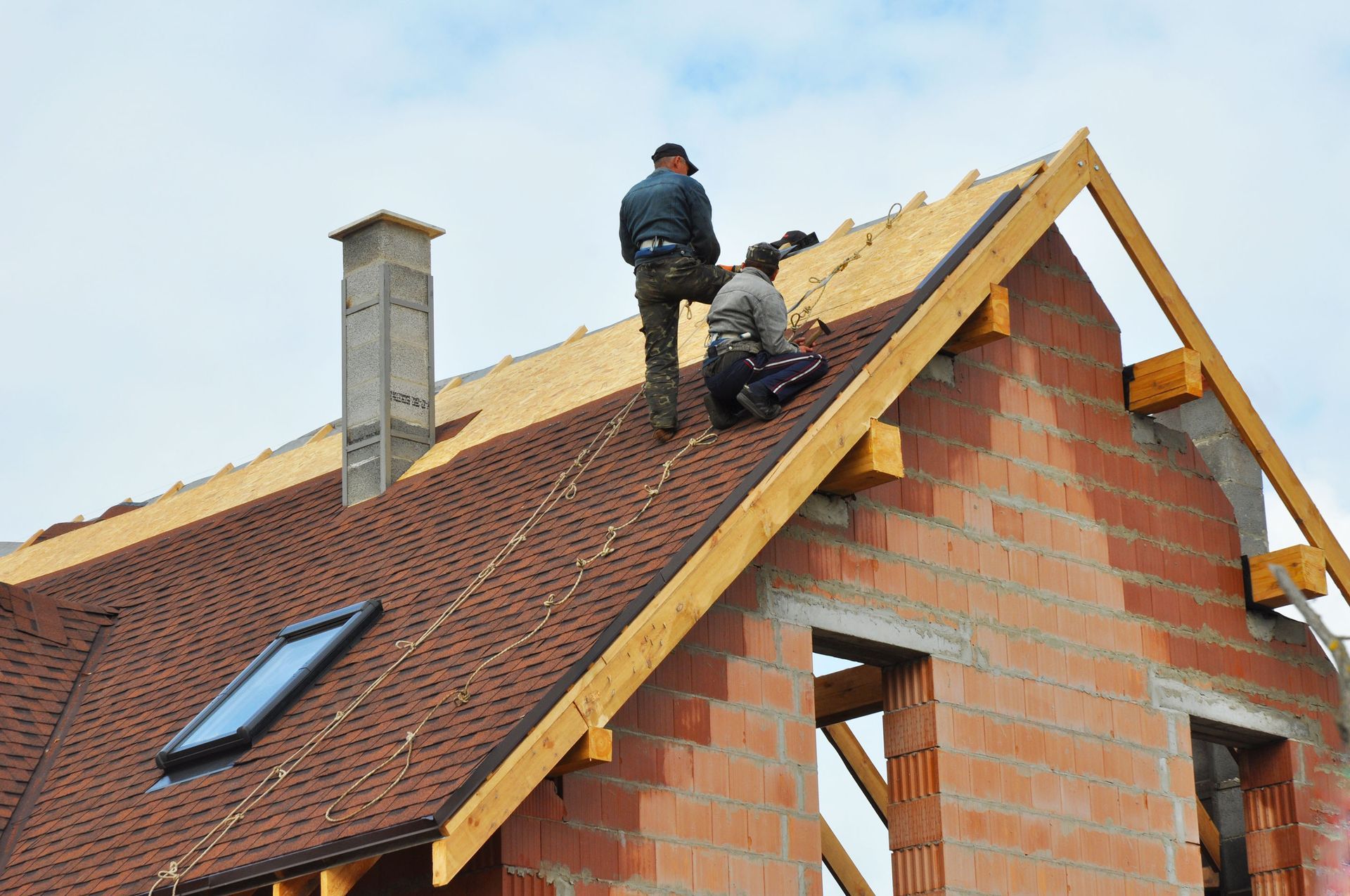
Safety is a critical component of any commercial roofing project due to the scale and complexity of the work involved. Proper safety procedures protect workers, property occupants, and surrounding infrastructure throughout the construction process. A responsible commercial roofing company implements structured safety protocols, including equipment training, site supervision, and compliance with occupational safety regulations. These measures help reduce accidents and ensure that work progresses without unnecessary interruptions.
Compliance with local building codes is equally important. These regulations are designed to ensure that roofing systems meet structural and environmental standards. Failure to comply can result in fines, project delays, or long-term structural issues. Regular inspections and adherence to established safety guidelines demonstrate a contractor’s commitment to maintaining a controlled and secure work environment. This level of discipline contributes to smoother project execution and reduces the risk of unexpected setbacks.
Assessing Communication and Project Coordination
Effective communication is one of the most important factors in successful roofing projects. From initial planning to final inspection, clear updates and coordination help ensure that all parties remain aligned. A professional commercial roofing company maintains consistent communication throughout each stage of the project. This includes scheduling updates, progress reports, and prompt responses to questions or concerns. Strong communication helps prevent misunderstandings and keeps timelines on track.
Project coordination also plays a key role in efficiency. Proper scheduling of materials, labor, and inspections ensures that work progresses smoothly without unnecessary delays. It also allows for faster resolution of any unexpected issues that may arise during construction. When communication is clear and structured, property owners gain greater confidence in the process. It also helps ensure that the outcome matches expectations in both quality and timing.
Making a Confident Final Decision
Selecting the right roofing partner requires balancing experience, safety, communication, and long-term value. Each factor contributes to the overall success of the project and the durability of the finished system. After evaluating all considerations, property owners should feel confident in choosing a provider that demonstrates consistency, transparency, and technical capability. A well-qualified contractor is not only focused on completing the project but also on ensuring long-term performance and reliability.
For property owners seeking dependable roofing solutions, Future Construction provides structured planning, quality workmanship, and ongoing support tailored to commercial needs. A strong commercial roofing company should bring clarity, professionalism, and accountability to every stage of the process, ensuring that each project is completed with care and precision. Contact Future Construction today to discuss your roofing project and discover how a reliable approach can help protect your commercial property and support its long-term performance.