September 23, 2026
Every home relies on a robust shield against nature's unrelenting elements, with the structural roof serving as the primary defense system. Over decades of service, continuous exposure to sun, rain, wind, and fluctuating temperatures steadily degrades this complex protective assembly. Maintaining the structural integrity of a building requires a comprehensive understanding of how wear occurs over time, recognizing the subtle early warning signs of component failure, and implementing disciplined preservation strategies. Enlisting the periodic expertise of an established roofing company ensures that minor vulnerabilities are accurately identified and corrected before they evolve into widespread, costly structural issues.
Examining the Core System Components
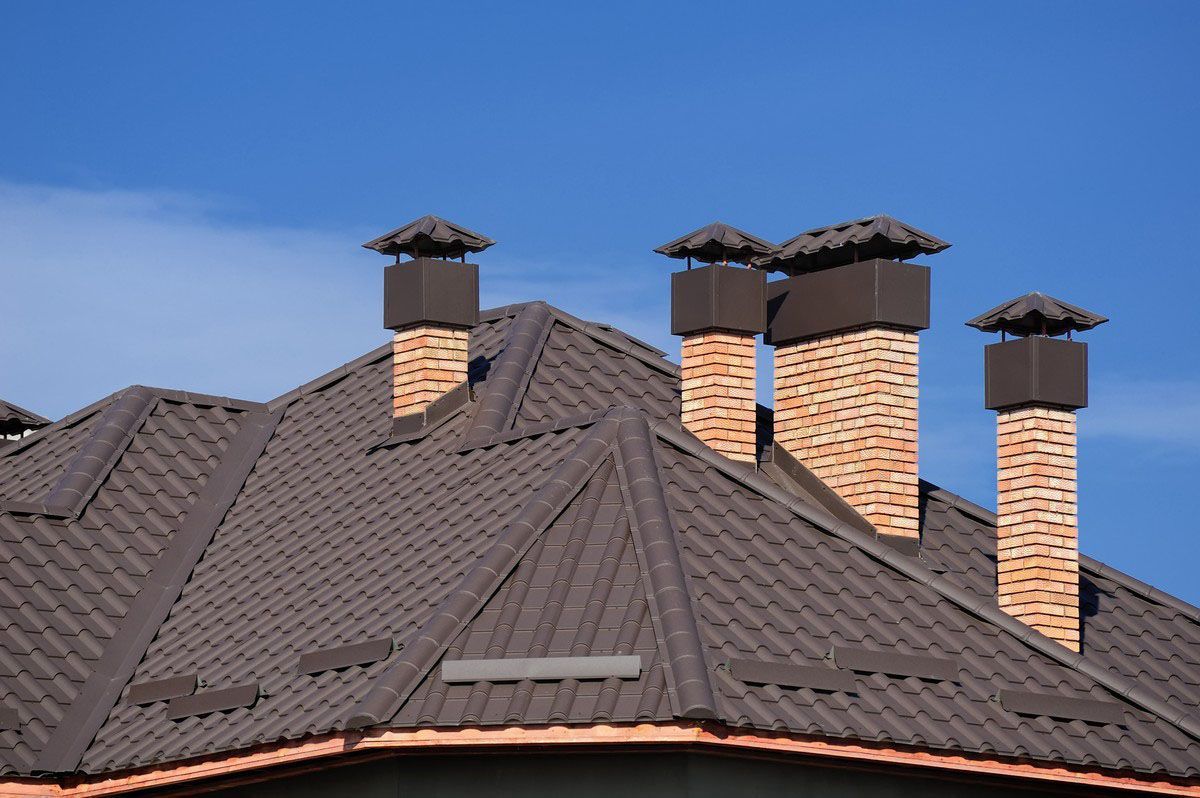
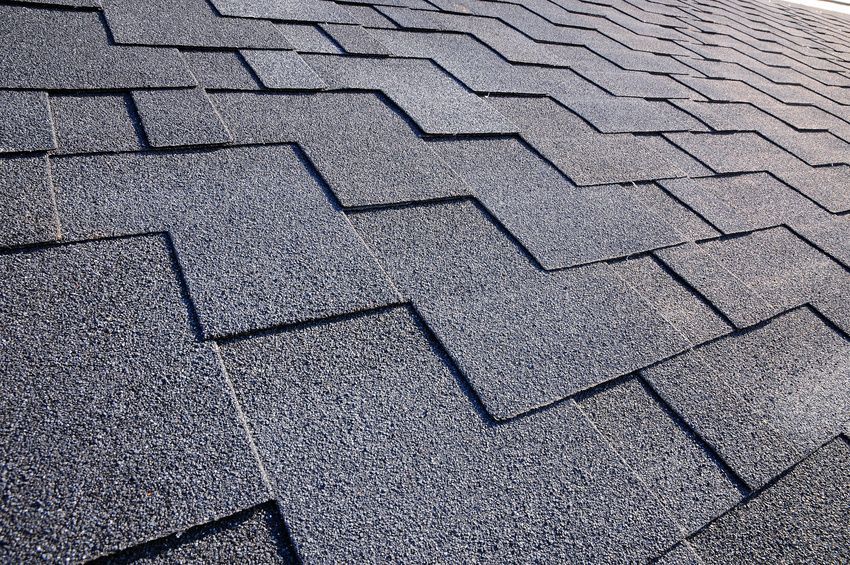
A residential protective barrier consists of far more than just the visible exterior layer; it is an interconnected, multi-tiered assembly where each distinct layer serves a crucial mechanical function. The outermost boundary, whether constructed from asphalt shingles, architectural metal panels, natural clay tiles, or heavy slate, bears the initial impact of physical exposure and weather extremes. According to Home Advisor, asphalt shingles last 20 to 30 years, rendering them a standard benchmark for cost efficiency, versatility, and everyday durability across various geographic regions. Directly beneath this external layer sits the underlayment and structural decking, which together form a secondary water-resistant shield and provide a rigid foundational deck. Furthermore, specialized metal flashing reinforces high-risk areas such as valleys, dormers, skylights, and chimneys to prevent fluid migration into vulnerable frame joints.
Effective thermal insulation and balanced atmospheric ventilation within the underlying attic space are equally vital to preserving the overall structural integrity of the upper building envelope. Poor attic airflow allows extreme heat and ambient moisture to accumulate directly under the wood decking. This trapped humidity drastically accelerates organic rot, compromises structural adhesives, promotes widespread mold colonization, and warps internal framing timbers over short periods. During freezing winter months, inadequate thermal insulation allows interior heat to escape into the attic cavity, causing snow loads on the upper deck to melt prematurely and refreeze along colder eaves, forming destructive ice dams. A properly calibrated ventilation arrangement maintains consistent internal temperatures, significantly extending the service life of every structural component within the system.
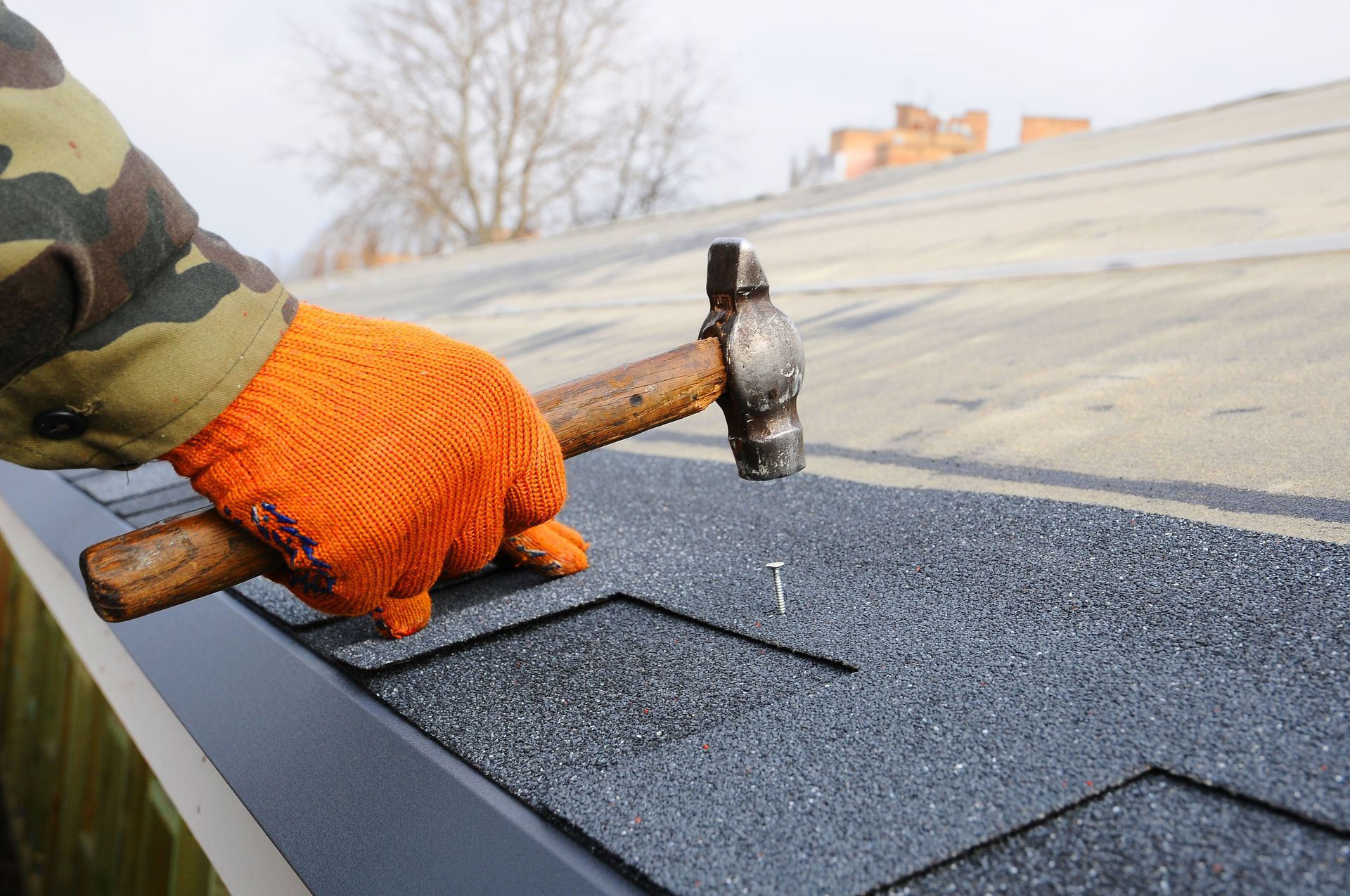
Precision execution during the initial build phase ultimately dictates how well these integrated materials resist mechanical wear across several decades. Improperly seated nails, misaligned underlayment courses, or inadequately sealed flashing joints create instant vulnerabilities that fail rapidly under heavy weather stress. Working alongside a reputable roofing company ensures that all system components are selected and installed in strict compliance with current building codes and manufacturer specifications. Expert craftsmanship preserves factory warranties, maximizes material performance, and guarantees that the multi-layered system acts as a unified, impenetrable barrier against sustained environmental pressure.
Evaluating Environmental and Weather Pressures
Environmental conditions place an unyielding physical stress on exterior building components through every season of the year. Daily exposure to solar ultraviolet radiation causes severe degradation of organic binders, synthetic compounds, and asphalt bases, leading directly to fading, surface brittleness, and loss of structural flexibility. Coupled with solar radiation, dramatic daily temperature fluctuations induce continuous thermal expansion and contraction across every surface. Over time, this constant mechanical shifting causes underlying fasteners to back out, sealants to crack, and individual units to shift out of alignment, progressively weakening the barrier's weather-tight integrity.
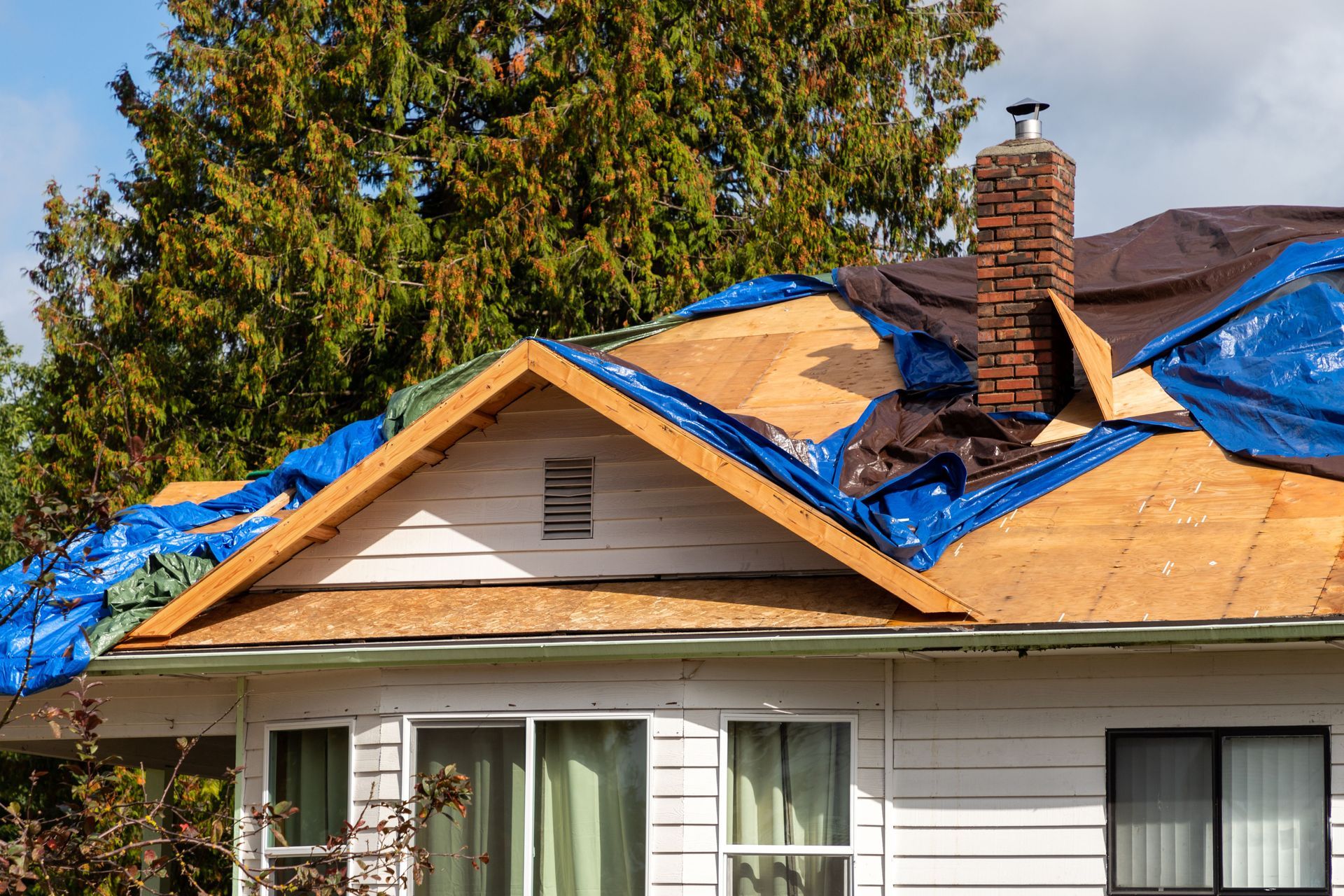
Liquid water intrusion represents one of the single most destructive environmental threats facing any residential structure. Rain, melting ice, and continuous atmospheric humidity can penetrate microscopic surface cracks, gradually eroding underlying wood decking, breaking down thermal insulation performance, and oxidizing metal framing elements. Dynamic wind events compound these risks by generating high uplift pressures that detach loose shingles, pull off edge flashing, and drive wind-borne rain upward into exposed seams. In colder climates, heavy snow loads introduce massive static weight while repeating freeze-thaw cycles force water into small crevices where it expands, fracturing rigid materials from within.
To successfully counteract these intense natural forces, modern building designs must incorporate specialized material enhancements tailored to the surrounding environment. Regions prone to high winds benefit from high-wind-rated adhesives, reinforced mechanical fasteners, and impact-resistant outer layers that withstand severe wind-borne debris. In sun-drenched southern regions, reflective cool-roof coatings divert solar heat away from the living envelope, significantly curbing summer energy loads and slowing down thermal aging. Selecting climate-appropriate materials and scheduling post-storm assessments allows property owners to resolve minor environmental wear before localized damage degrades the underlying house frame.
Identifying Common Indicators of Deterioration
Developing a keen eye for early indicators of system failure allows property owners to intervene long before minor superficial wear transforms into extensive structural damage. Internal symptoms, such as dark water stains expanding on ceiling drywall, peeling interior wall paint, or persistent damp odors in attic spaces, clearly signal active exterior leaks. On the outside, visible signs of advanced age include curling or cupping shingle edges, widespread material cracking, rusted or displaced flashing strips, and bald spots where outer protective granules have worn away. Noticing significant accumulations of mineral granules washing out of downspouts serves as a definitive indicator that asphalt-based materials have reached the final phase of their useful lifecycle.
Ignoring these visible warnings allows moisture to penetrate deeply into hidden structural frameworks, cultivating costly unseen damage. Prolonged water saturation decays structural rafter tails, warps plywood decking, and creates optimal growth environments for toxic interior mold spores. Advanced, long-term water damage eventually compromises weight-bearing timber beams, leading to noticeable sagging along the ridge line or roof deck, a clear sign of impending structural collapse. Timely intervention and targeted component repair halt this cascade of failure, preserving structural stability and preventing the astronomical costs associated with complete structural overhauls.
Homeowners should arrange for routine physical inspections at least twice a year, ideally during spring and autumn, as well as following any severe storm event. Professional inspectors possess the safety equipment and diagnostic tools necessary to safely traverse high, steep surfaces, spot subtle sealant failures, and detect sub-surface moisture retention using infrared thermal imaging. Partnering with a licensed roofing company guarantees an accurate, objective diagnostic assessment, allowing for precise localized fixes that maintain the continuity of your home's exterior defense shield.
Implementing Proactive Maintenance Strategies
A disciplined, proactive maintenance routine is the most effective tool for extending the operational lifespan of protective materials and avoiding emergency restoration expenses. Keeping gutter networks, valley paths, and downspout runs completely free from fallen leaves, pine needles, and airborne dirt ensures that stormwater drains off the structure without obstruction. Clogged drainage channels force heavy water accumulation backward underneath the lowermost edge courses, rapidly rotting fascia boards, degrading soffits, and saturating structural deck edges. Trimming back overhanging tree branches further eliminates physical impact risks during high-wind storms, cuts off animal access pathways, and reduces shade that fosters destructive moss growth.
Applying modern surface treatments and protective elastomeric sealants provides an invaluable supplementary layer of defense against harsh elemental wear. UV-blocking elastomeric coatings reflect harmful heat rays, keeping attic spaces significantly cooler and slowing down the chemical breakdown of asphalt products. Similarly, eco-friendly copper or zinc strip installations along upper ridges leach natural metal ions during rainfall, creating an environment that naturally inhibits algae, moss, and fungal growth. Regular gentle cleaning, paired with the proactive replacement of dried-out, cracked caulking around pipe boots, roof vents, and flashing borders, keeps the primary exterior seal fully waterproof year after year.
Ultimately, long-term property protection requires recognizing that every component of the building envelope works as a unified system to resist harsh environmental forces. Decades of exposure to sun, severe weather, and seasonal shifts will inevitably test the limits of even the highest-grade materials. Understanding how these factors interact, taking action at the first sign of wear, and committing to routine upkeep ensures your home stays dry, safe, and efficient. For more information about the services that we offer, reach out to our incredible team at Future Construction today!