April 27, 2026
Choosing between a metal roof and asphalt shingles is one of the most important decisions a property owner can make when planning a roofing project. Each option offers distinct advantages, and the right choice depends on structure type, budget, climate, and long-term expectations for performance. Homeowners often begin this process while working with professionals who specialize in residential roofing, since expert input helps simplify what can otherwise feel like a complex comparison.
At the core of this decision is the goal of protecting the home while balancing cost and durability. Asphalt shingles remain popular due to their affordability and familiar appearance, while metal roofing is often chosen for its strength and longevity. Contractors help homeowners evaluate these differences in practical terms rather than just visual appeal. Working through this decision with experienced guidance ensures that long-term value is prioritized over short-term convenience. It also helps homeowners understand how each system performs under real conditions, including weather exposure, maintenance needs, and lifespan expectations.
Evaluating Lifespan and Long-Term Durability
One of the most significant differences between roofing materials is how long they last. Durability plays a major role in determining overall value, especially for homeowners planning to stay in their property for many years. Professionals in residential roofing often highlight that material lifespan should be weighed alongside upfront cost. According to This Old House, metal roofing can last between 40 and 70 years when properly maintained. That difference alone can significantly influence long-term budgeting and replacement planning.
Durability is not only about time but also about resistance to damage. Metal roofing tends to perform well against wind, fire, and harsh weather conditions, while asphalt shingles can be more vulnerable to curling, cracking, or granule loss over time. Contractors help homeowners interpret these factors in the context of their specific home environment. Instead of focusing only on lifespan numbers, they consider how each material performs under local conditions and how that performance impacts long-term ownership costs.
Comparing Performance and Structural Behavior
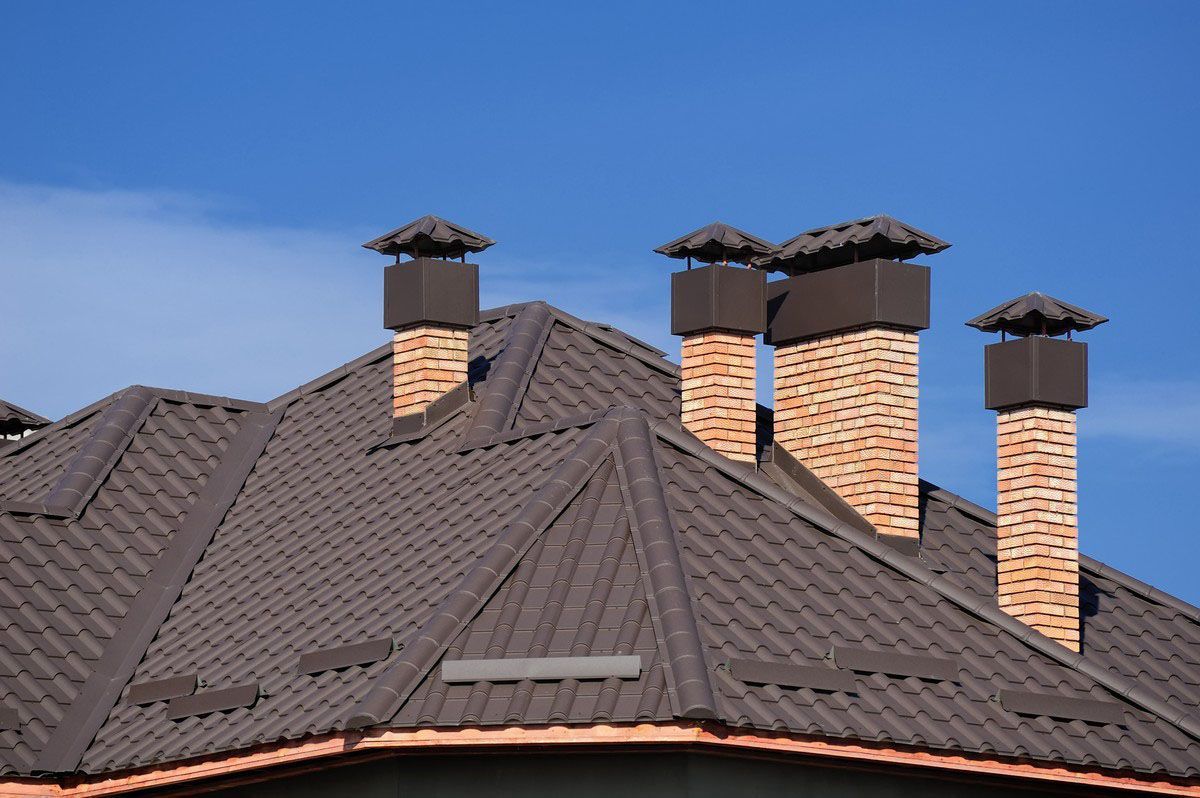
Performance characteristics vary widely between roofing systems, and understanding these differences helps homeowners make informed decisions. Asphalt shingles are known for their flexibility and ease of installation, which makes them suitable for a wide range of home styles. Metal roofing, on the other hand, offers superior strength and tends to reflect heat more effectively, which can improve energy efficiency in warmer climates.
During planning discussions for residential roofing, contractors often explain how each material responds to temperature changes, moisture exposure, and seasonal weather patterns. Asphalt shingles can absorb heat and may degrade faster in extreme conditions, while metal panels expand and contract with temperature but maintain structural integrity over time.
Considering Cost and Long-Term Value
Cost is often the first factor homeowners consider when selecting a roofing system, but it should be evaluated alongside long-term value rather than upfront price alone. Asphalt shingles typically require a lower initial investment, making them attractive for budget-conscious projects. Metal roofing usually comes with a higher installation cost but offers longer service life and reduced replacement frequency. In discussions about residential roofing, contractors often emphasize total lifecycle cost rather than just installation expenses. While asphalt may need replacement multiple times over the life of a home, metal roofing may only require one installation over several decades.
This long-term perspective changes how value is perceived. A lower initial cost may seem appealing, but repeated repairs or replacements can increase overall spending over time. Contractors help homeowners compare these scenarios realistically, taking into account maintenance, durability, and energy efficiency. Energy savings can also influence value. Metal roofing often reflects solar heat, which may reduce cooling costs in warmer months. Asphalt shingles, depending on color and material quality, may absorb more heat and contribute to higher energy use.
Assessing Climate and Environmental Conditions
Climate plays a major role in determining which roofing material performs best. Homes in areas with heavy snowfall, high winds, or intense sunlight may benefit from different roofing systems based on environmental stressors. Professionals working in residential roofing evaluate local weather patterns before making recommendations. Metal roofing is often preferred in regions with severe weather due to its resistance to wind uplift and ability to shed snow efficiently. Asphalt shingles perform well in moderate climates but may experience faster wear in extreme heat or fluctuating temperatures.
Moisture exposure is another important factor. Properly installed metal roofing systems resist water penetration effectively, while asphalt shingles rely heavily on layered sealing to prevent leaks. Over time, repeated exposure to moisture can affect shingle adhesion and surface integrity. Environmental considerations also include sustainability. Metal roofing is often recyclable and may contain recycled materials, while asphalt shingles have a shorter lifecycle and contribute more waste during replacement cycles.
Reviewing Maintenance and Repair Requirements
Maintenance expectations vary significantly between roofing materials, and understanding these differences helps homeowners plan for long-term upkeep. Asphalt shingles typically require more frequent inspections to identify issues such as loose shingles, granule loss, or minor leaks. Small problems can often be repaired easily, but they may occur more regularly over time. Metal roofing generally requires less frequent maintenance, but it is not entirely maintenance-free. Fasteners, seams, and protective coatings may need periodic inspection to ensure continued performance. However, these systems are designed for long-term durability with fewer intervention points.
In the field of residential roofing, contractors often explain that maintenance needs should be considered alongside lifestyle and property ownership goals. Homeowners who prefer lower ongoing maintenance may lean toward metal systems, while those comfortable with periodic upkeep may find asphalt shingles suitable. Repair complexity is another factor. Asphalt shingles are easier to replace in small sections, while metal roofing repairs may require more specialized handling depending on panel type and installation method.
Understanding Installation and Contractor Expertise
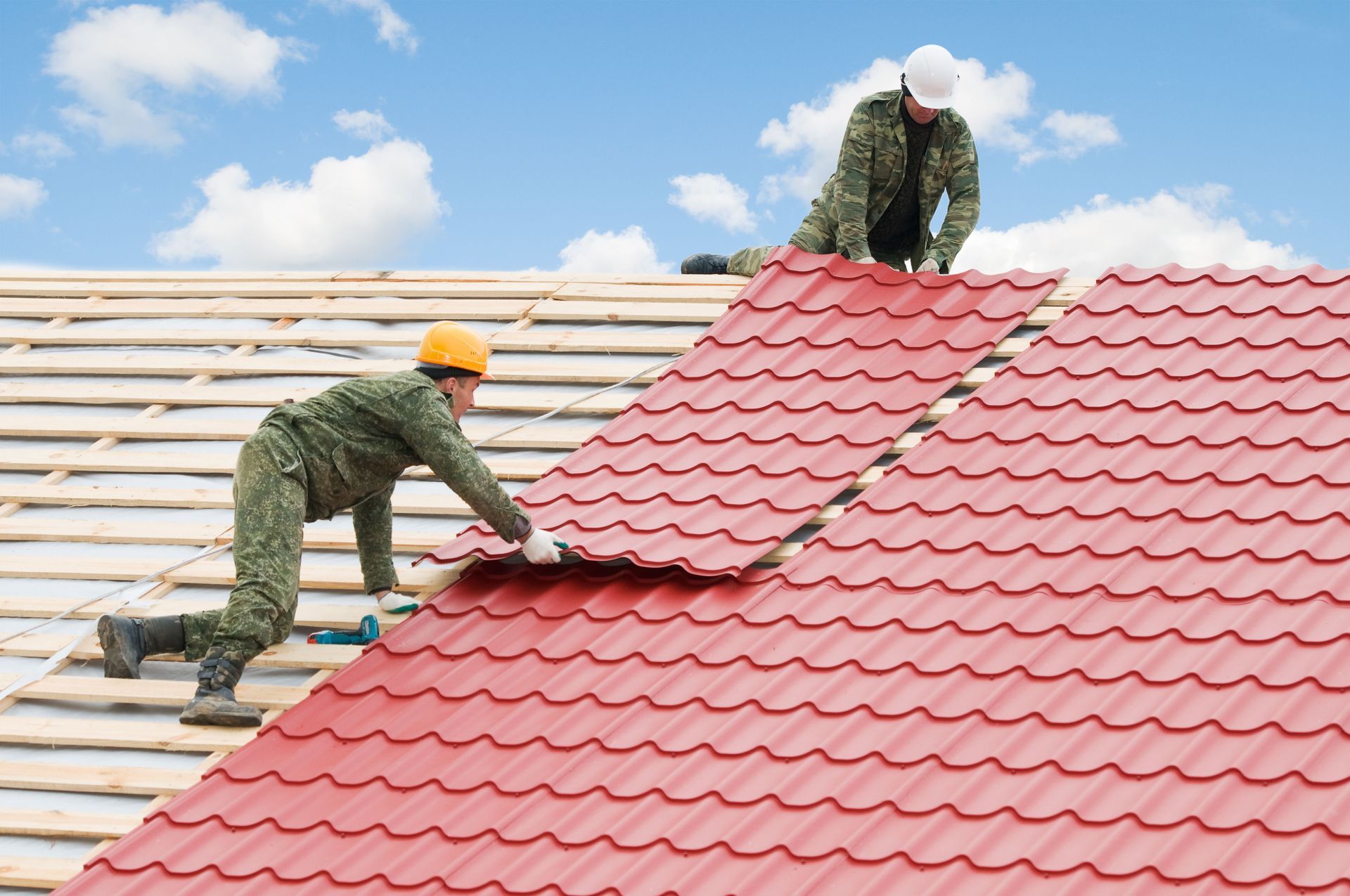
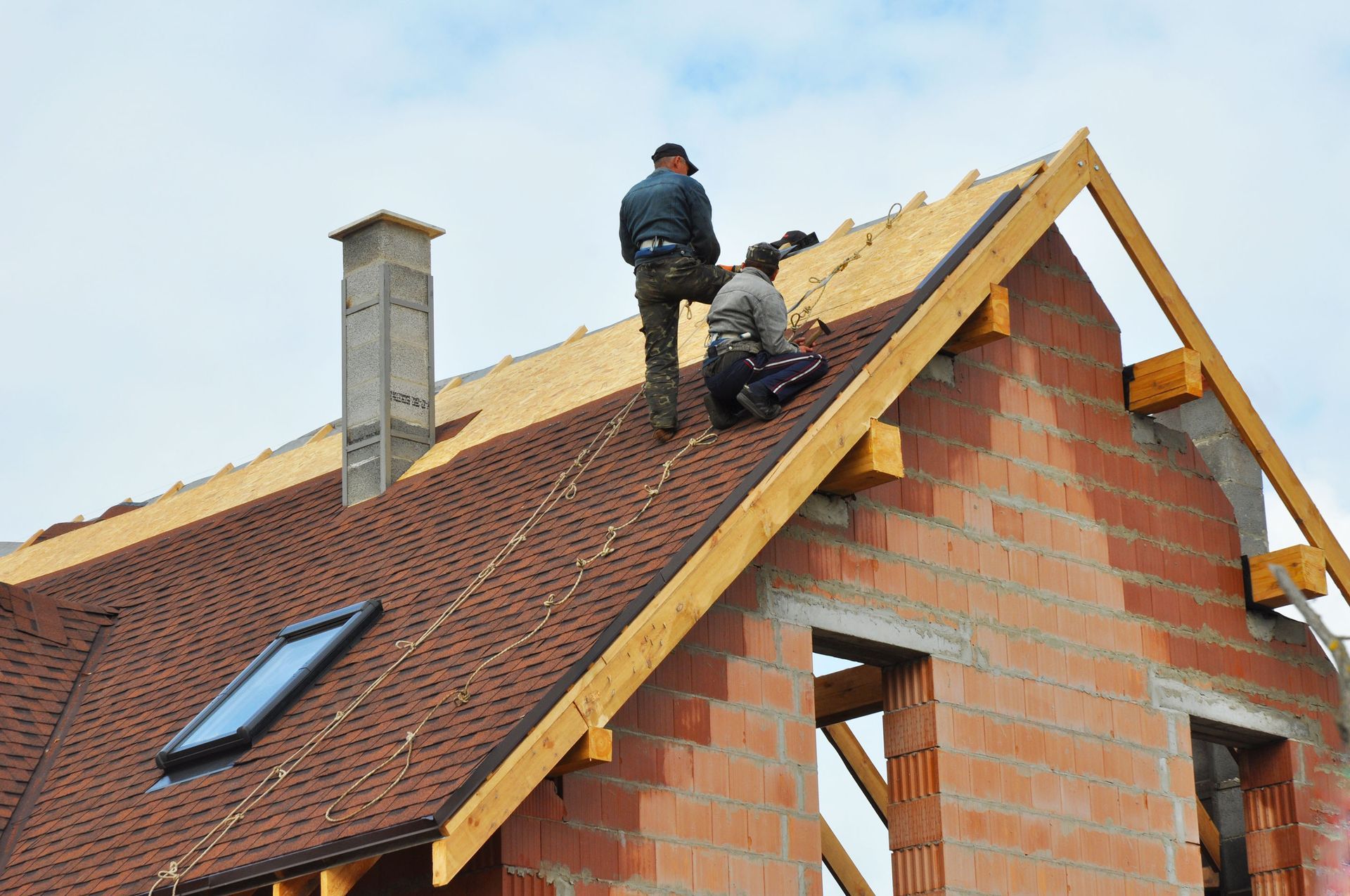
Installation quality is one of the most important factors affecting roof performance, regardless of material choice. Even high-quality products can underperform if they are not installed correctly. This is why contractor expertise plays such a critical role in the decision-making process. For residential roofing, installation requirements differ significantly between asphalt shingles and metal roofing. Asphalt systems are generally faster to install and require less specialized equipment. Metal roofing, however, demands precise measurement, fastening techniques, and experience with panel alignment.
Contractors help homeowners understand these differences and how they affect project timelines, labor requirements, and long-term reliability. Proper installation ensures that roofs perform as intended, minimizing risks such as leaks, structural movement, or premature wear. Attention to detail during installation also affects warranty coverage. Many manufacturers require certified installation methods to maintain product warranties, making contractor selection even more important.
Guiding Homeowners Through Final Decision-Making
The final decision between metal roofing and asphalt shingles often comes down to balancing priorities such as cost, durability, maintenance, and aesthetics. Each homeowner’s situation is unique, and there is no universal answer that fits every property. Experienced professionals in residential roofing help simplify this decision by breaking down technical details into practical considerations. Instead of focusing on marketing claims or general assumptions, they assess real-world performance factors specific to the home and environment.
Contractors also help homeowners think long-term. A roofing system is not just a construction project — it is a long-term investment in property protection and comfort. Evaluating how each material performs over decades ensures that the decision supports both current needs and future expectations. By combining technical knowledge with practical insight, contractors help homeowners move forward with confidence. This guidance reduces uncertainty and ensures that the chosen roofing system aligns with both functional requirements and long-term goals.
Future Construction helps homeowners navigate these choices with clear guidance, detailed assessments, and professional installation services tailored to each property’s needs. The goal is not only to install a roof but to ensure it performs reliably for years to come. Contact Future Construction today to discuss your roofing options and get expert guidance on choosing the right system for your home. Let our team help you make a confident, informed decision that supports long-term protection and value.