June 3, 2026
Owning a business facility requires constant vigilance against the elements. The roof endures brutal weather patterns, intense sun exposure, and heavy rain. Keeping this overhead barrier intact ensures the safety of employees, inventory, and equipment. Property managers must prioritize regular inspections and prompt repairs to avoid catastrophic damage. Ignoring minor leaks or visible wear leads to severe structural decay. Selecting reliable experts becomes the primary defense against unexpected disruptions.
Making informed decisions about commercial roofing maintenance saves resources over time. The right contractor provides durable solutions tailored to specific regional climates. Shoddy workmanship invites recurring problems and inflates overall expenses. Facility owners face a daunting task when sifting through available service providers. Securing the services of skilled professionals guarantees a secure environment for daily commerce. A solid foundation of knowledge guides these crucial maintenance choices.
Identifying Experienced Contractors for Your Project
Finding a capable commercial roofing team requires thorough research and careful vetting. Local reputation serves as a strong indicator of past performance and reliability. Word-of-mouth recommendations from fellow business owners offer valuable insights into contractor behavior and work ethic. An established company with a physical office demonstrates stability in the community. Fly-by-night operations vanish after storms, leaving property owners without recourse. Diligent vetting separates dependable professionals from amateur crews.
Licensing and insurance hold paramount importance during the selection process. A valid license proves the contractor meets state requirements and understands local building codes. Comprehensive liability insurance protects the property owner from lawsuits if accidents happen on the job site. Workers' compensation coverage shields the client from medical bills for injured workers.
Examining past projects reveals the true capability of a prospective contractor. Portfolios showcasing similar building styles give clients confidence in the team. References from previous customers paint a clear picture of communication skills and adherence to deadlines. A reliable commercial roofing contractor shares contact details of satisfied clients with pride. Following up with these references uncovers potential red flags or confirms stellar performance. Direct feedback remains an invaluable tool for decision-makers.
Clear communication channels establish a smooth working relationship from the start. Contractors who answer calls without delay and explain concepts with clarity demonstrate respect for the client. Written estimates detailing labor, materials, and timelines prevent misunderstandings down the road. Vague contracts leave room for hidden fees and subpar material substitutions. A detailed proposal shows meticulous planning and professionalism. Open dialogue ensures participating parties share the same vision for the project.
Evaluating Durable Materials for Your Building
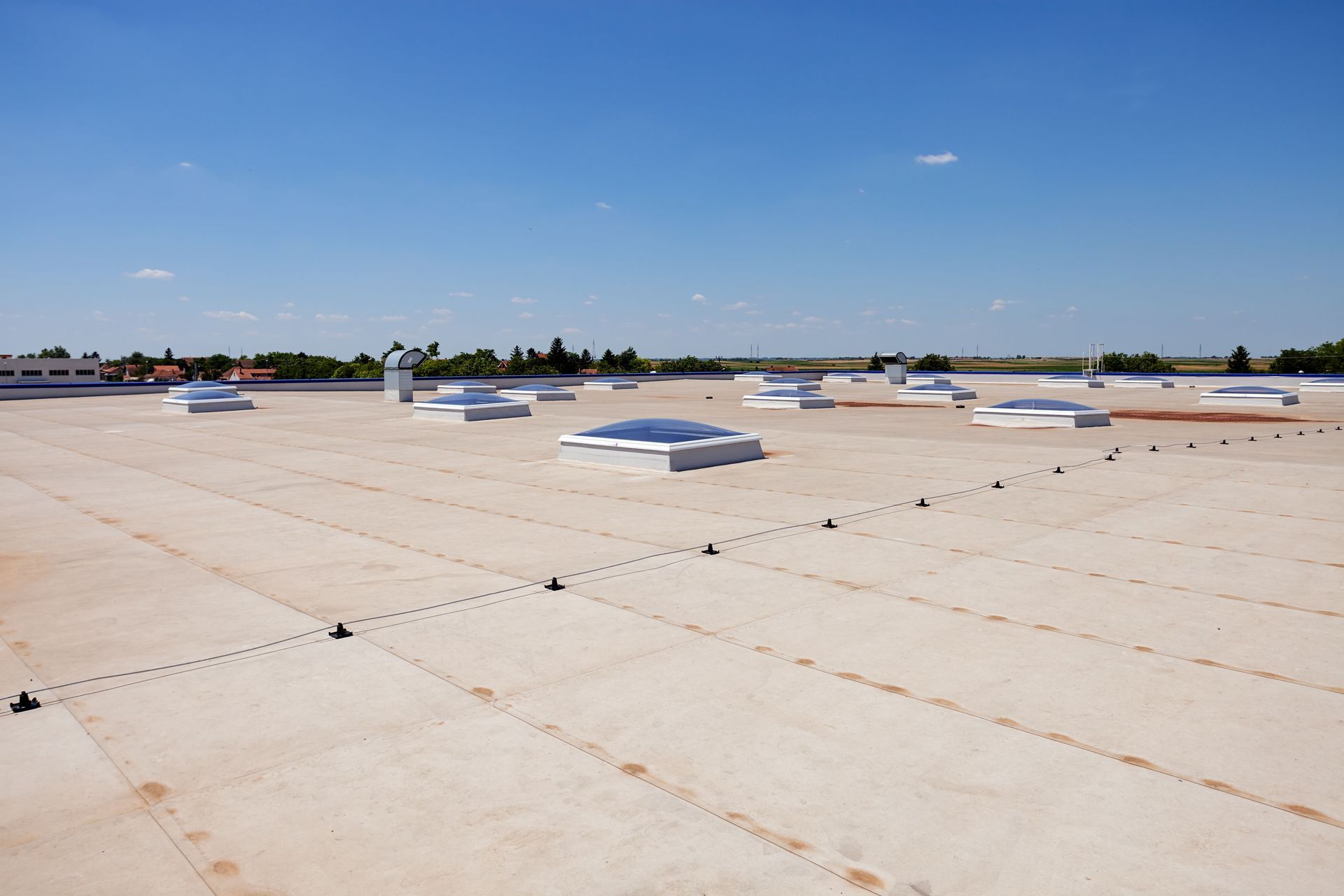
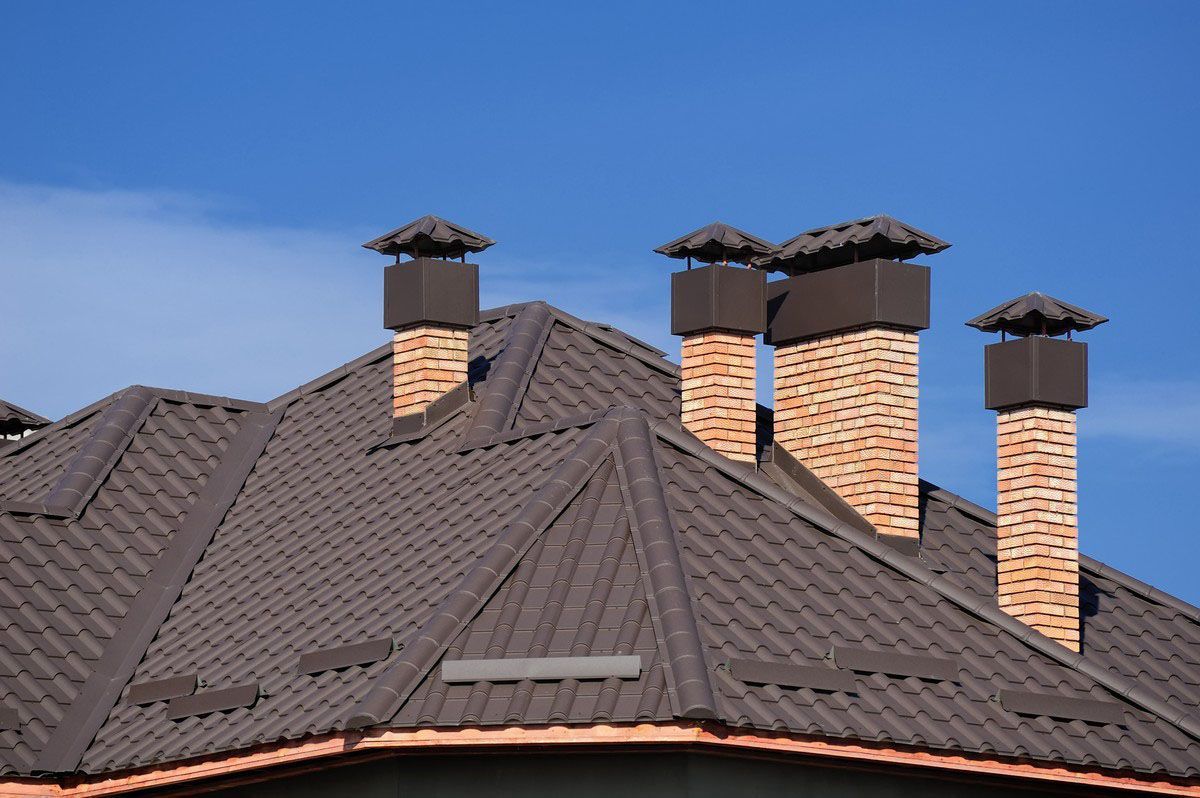
Choosing the correct commercial roofing materials dictates the longevity of the roof. Various options exist, each presenting unique benefits and drawbacks. Membrane systems offer excellent water resistance and reflect heat away from the building. Metal panels provide exceptional durability against hail and high winds. Built-up systems deliver thick, multi-layered defense against persistent moisture. Property managers must weigh these attributes against local weather patterns.
The initial cost of materials often influences the final decision. Opting for the cheapest option leads to premature failure and costly repairs down the line. High-quality materials require a larger upfront investment but yield long-term savings through extended lifespans. According to RubyHome, the average roof lasts between 20 and 50 years, depending on what type of roof it is and the quality of materials. Spending capital on premium products ensures maximum protection.
Energy efficiency plays a major role in modern material selection. Reflective coatings reduce cooling costs during sweltering summer months. Insulation beneath the outer layer traps heat during the winter, lowering heating expenses. Many modern solutions qualify for energy rebates or tax incentives from local governments. Upgrading to an energy-efficient system benefits the environment while reducing operational overhead. Sustainable choices provide ongoing financial returns.
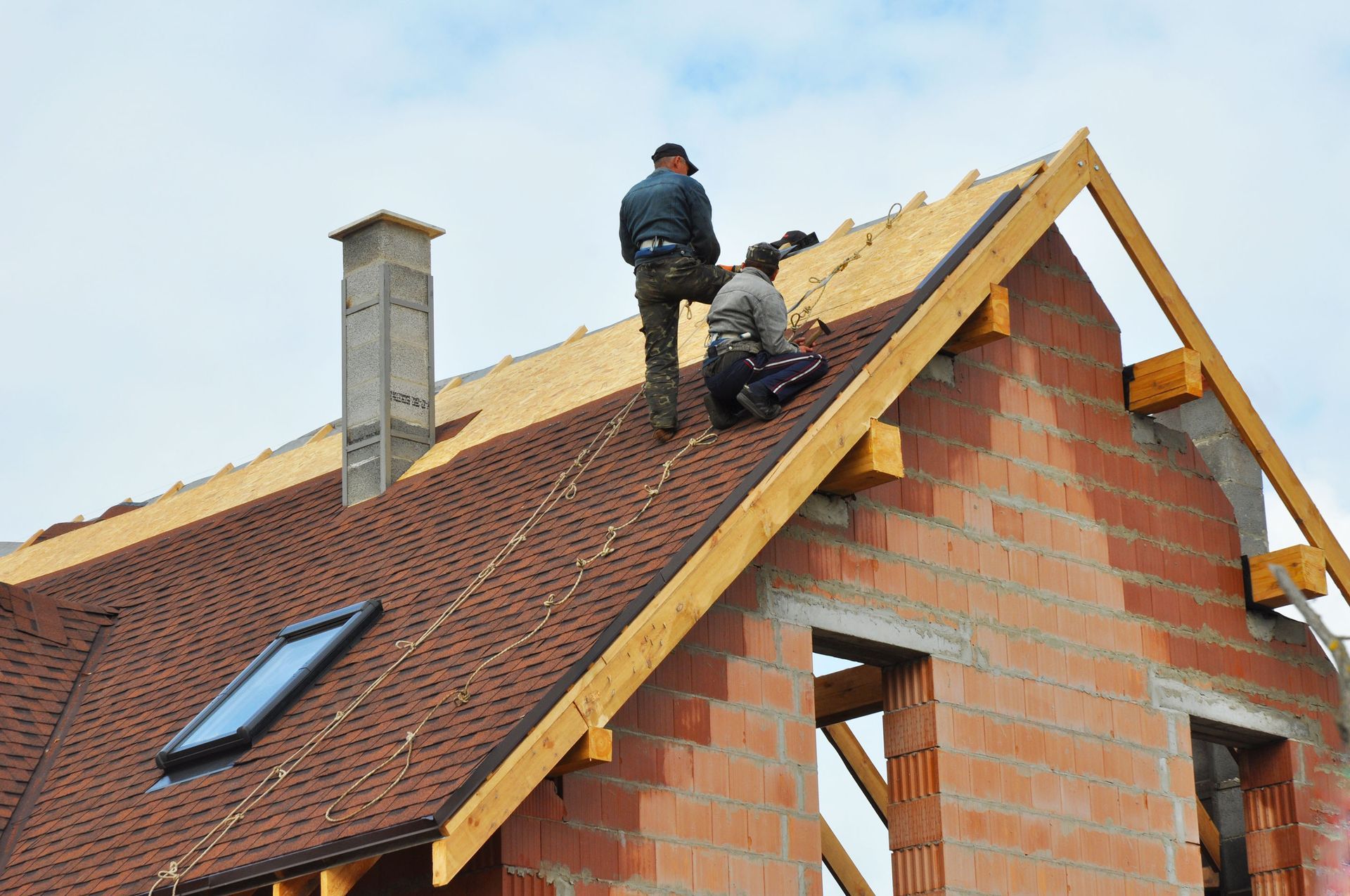
Proper installation techniques maximize the effectiveness of any chosen material. Even premium products fail if installed with flaws by unskilled labor. Expert application ensures seams remain watertight and flashing directs water away from vulnerable intersections. Adhering to manufacturer guidelines guarantees the product performs as intended. Reliable professionals refuse to cut corners during the application process. Correct installation stands as the cornerstone of structural integrity.
Assessing Maintenance Plans for Your Investment
Implementing a proactive commercial roofing maintenance plan prevents minor issues from escalating. Regular inspections catch small punctures before water infiltrates the building interior. Debris removal stops drains from clogging and causing ponding water. Standing water degrades materials and adds immense weight to the structure. Scheduled visits from professionals keep the system in peak condition year-round. Consistent care extends the usable life of the installation.
Seasonal changes wreak havoc on exterior building components. Expanding and contracting materials create stress on seams and flashing. Winter weather brings ice buildup, while autumn leaves block crucial drainage pathways. Spring rains test the watertight integrity of the entire surface. A dedicated maintenance schedule addresses these seasonal threats before damage occurs. Preparation remains the best defense against environmental wear.
Documentation of all maintenance activities creates a valuable historical record. Keeping detailed logs of inspections, repairs, and material replacements aids in future troubleshooting. This paperwork proves essential when filing warranty claims or selling the property. Manufacturers require proof of regular upkeep to honor their guarantees. A thorough paper trail protects the facility manager from liability. Organized records demonstrate responsible property stewardship.
Establishing a relationship with a specific repair crew streamlines future service calls. Familiarity with the building layout and prior repairs allows technicians to diagnose problems with speed. A dedicated crew arrives knowing the exact materials and tools required for the job. This ongoing partnership fosters accountability and reliable service. Property owners sleep better knowing experts monitor their building. Consistent oversight prevents catastrophic structural failures.
Ensuring Warranty Coverage for Your Protection
Securing comprehensive commercial roofing warranties provides peace of mind for facility managers. Guarantees come in distinct forms, covering materials, labor, or a combination of the components. Manufacturer warranties protect against defects in the materials themselves. Workmanship warranties, provided by the installation company, cover errors made during the application process. Understanding the nuances of these agreements remains vital. Read the fine print to comprehend all inclusions and exclusions.
Maintaining warranty validity requires strict adherence to specific terms. Most agreements mandate regular inspections by certified professionals. Unauthorized alterations or repairs by unapproved personnel void the coverage in full. Facility owners must understand these stipulations to avoid losing their financial protection. Negligence nullifies the best guarantees available in the industry. Compliance with all requirements keeps the safety net intact.
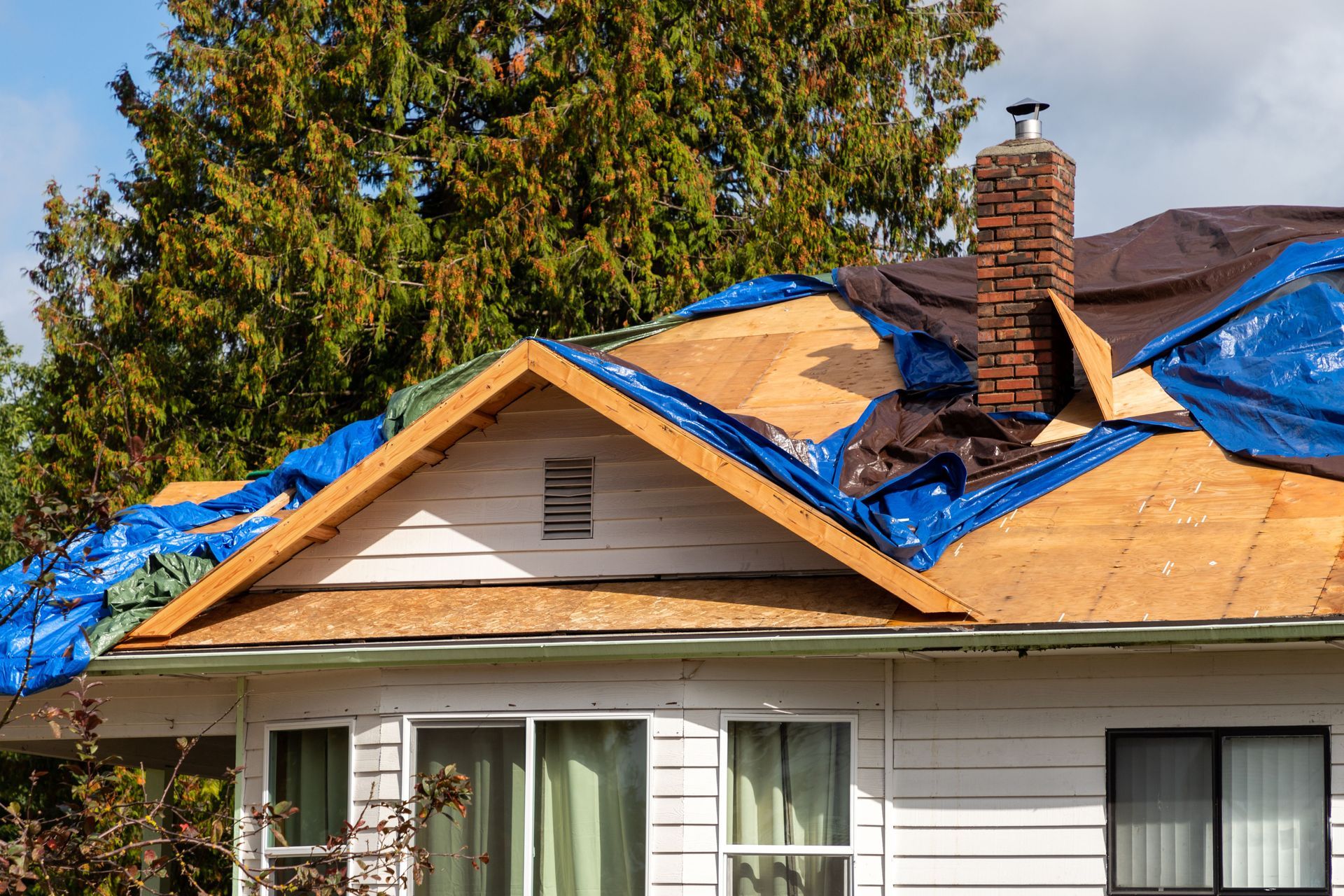
Navigating a claim demands meticulous documentation and clear communication. When a leak occurs, the property manager must notify the appropriate party without delay. Providing photographic evidence and maintenance logs expedites the approval process. Delays in reporting issues lead to claim denials. Knowing the exact procedures for filing saves frustration during stressful emergencies. Preparedness ensures a smooth resolution to unexpected damage.
Extended guarantees offer an extra layer of financial security for long-term owners. Some manufacturers provide upgraded coverage for a premium fee. These enhanced plans often cover a broader range of potential problems and extend the duration of protection. Evaluating the cost versus the potential benefit helps managers make sound financial choices. Comprehensive coverage shields the business from massive, unexpected capital expenditures.
Safeguarding a business facility demands attention to detail and a commitment to quality. The roof serves as the primary shield against relentless weather forces. Selecting capable professionals, choosing durable materials, and maintaining the system form the pillars of property protection. Ignoring these responsibilities invites severe structural decay and financial loss. Diligence in every phase of the process yields a secure operating environment. Informed decisions pave the way for long-term stability.
Facility owners hold the ultimate responsibility for building safety and longevity. Investing time in research and vetting prevents future headaches and costly emergency repairs. A proactive approach to upkeep outshines reactive scrambling every time. Reliable contractors, durable materials, and solid warranties create an impenetrable fortress. Protecting the physical assets ensures the ongoing success of the enterprise. Sound choices today secure the property for future generations. Ready to secure your business with durable Future Construction solutions? Contact us today to schedule your comprehensive commercial roofing inspection and ensure your property remains protected.