May 20, 2026
In the commercial roofing industry, selecting the appropriate roofing material is crucial for long-term durability, energy efficiency, and cost-effectiveness. Among the popular options are asphalt and metal, both of which offer unique benefits and challenges. This article delves into the specifics of asphalt versus metal roofing to help you make an informed decision for your commercial property. The roofing material you choose affects not only the longevity of your roof but also impacts factors such as energy consumption and repair needs. Armed with this comprehensive guide, you will be better equipped to choose the best roofing option for your commercial building.
Asphalt Roofing
The Composition of Asphalt Shingles
Asphalt shingles are a popular roofing material made of a base mat embedded with mineral granules and coated in asphalt. The base mat is often created from fiberglass, which provides strength and flexibility. An adhesive layer is added to help the shingles stick to each other and the roof surface, ensuring weather resistance. Asphalt shingles are designed to be durable yet affordable, which is why they are commonly used in roofing applications. According to RoofLink, asphalt remains the leading choice in the U.S. residential roofing market, accounting for roughly 73% of installations, while metal roofing holds about 17% of the market share.
Durability and Lifespan
The longevity of asphalt shingles varies depending on the quality of materials and installation, typically ranging between 15 and 30 years, in our experience. Advances in shingle technology have improved their durability, with several manufacturers offering options with enhanced resistance to wind, impact, and UV radiation. Despite these improvements, asphalt shingles are more susceptible to damage from temperature fluctuations and severe weather events compared to metal roofing. Roof maintenance is crucial to maximizing the lifespan of asphalt, involving regular inspections and timely repairs. These factors contribute to the overall durability, making asphalt a viable choice for many commercial roofing projects.
Cost Considerations
Asphalt shingles are generally considered a cost-effective roofing material, often more affordable than metal options. The initial material costs and installation expenses tend to be lower, which makes asphalt a popular choice for budget-conscious projects. However, the total cost of ownership should include considerations like potential repairs and shorter lifespan. While asphalt provides savings upfront, it may incur additional expenses over time due to maintenance and replacement needs. Weighing these costs against other factors, such as energy efficiency and longevity, is essential for making an informed investment decision.
Installation Process
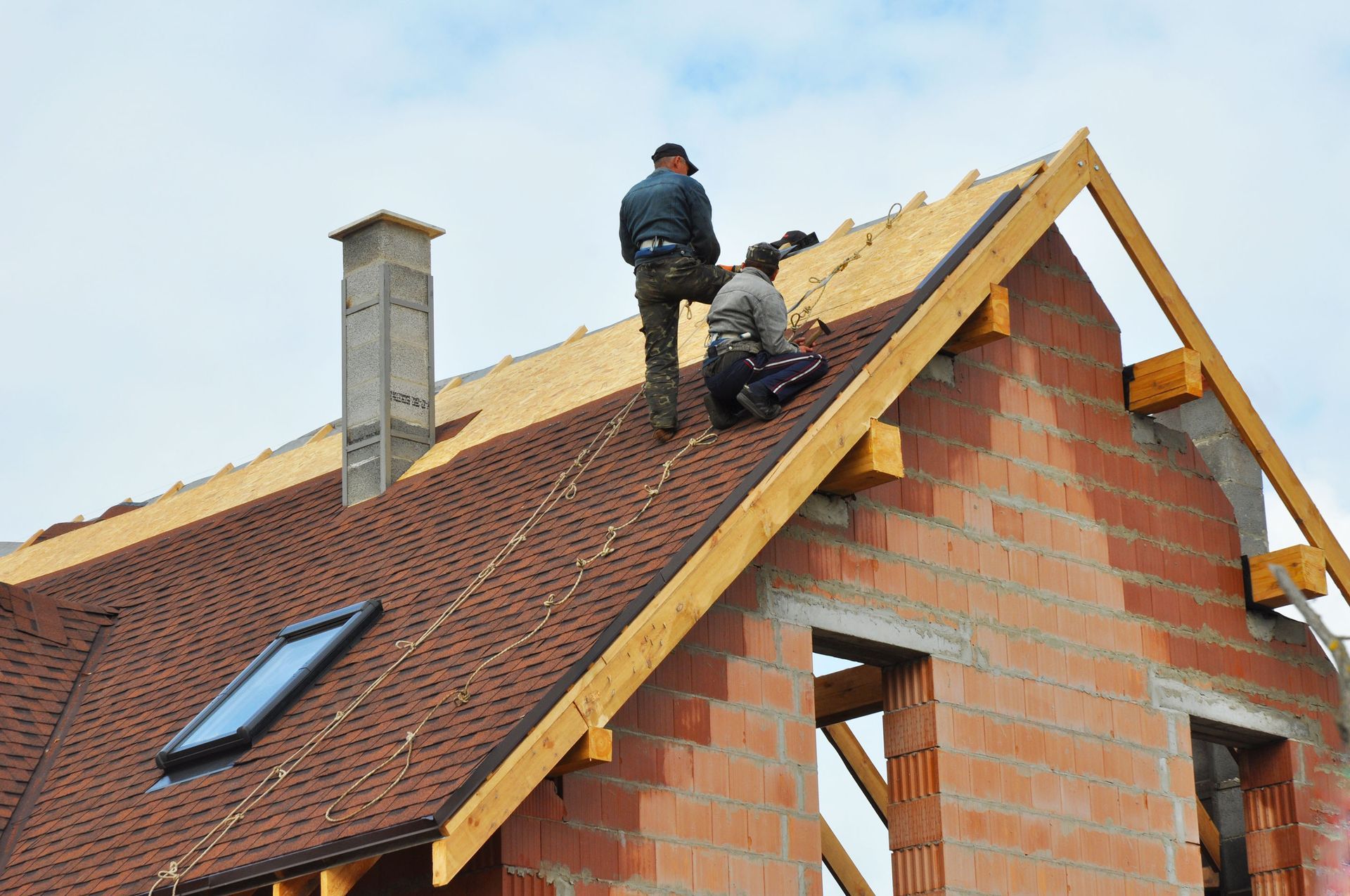
The installation process for asphalt roofing is relatively straightforward, which contributes to its popularity. An experienced roofing contractor can typically complete the installation quickly, reducing labor costs and minimizing disruptions to the business. Proper installation is vital to ensure a weather-tight seal and maximize the shingle lifespan. Asphalt shingles can be installed on roofs with varying slopes, granting flexibility in design. The combination of ease and versatility has established asphalt as a staple in the roofing industry.
Metal Roofing
The Composition of Metal Roofs
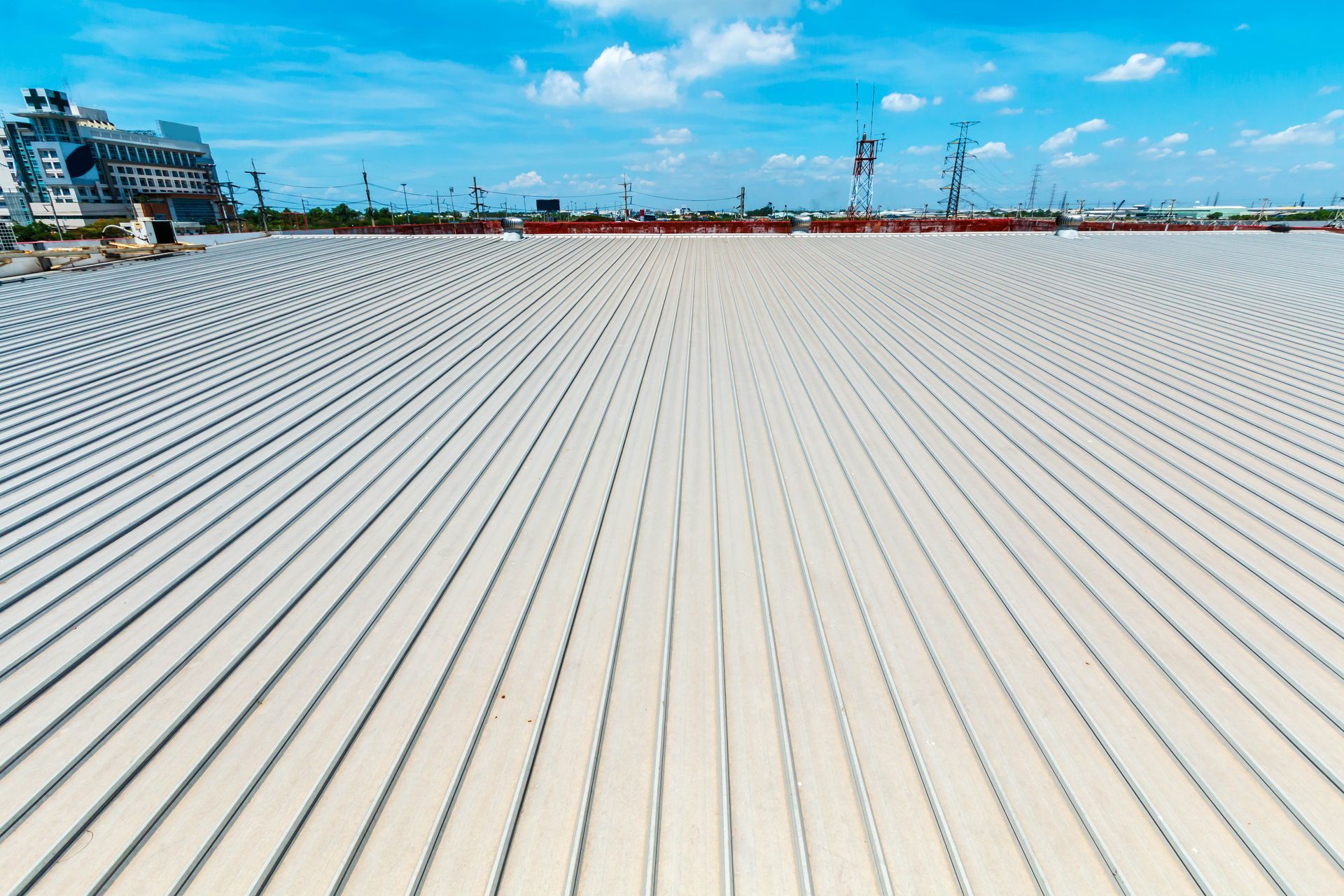
Metal roofing encompasses a variety of materials, including steel, aluminum, copper, and zinc, each offering distinct characteristics. Steel is a common choice due to its strength, durability, and cost-effectiveness, often coated with protective layers like zinc or paint to prevent rust. Aluminum provides a lightweight solution resistant to corrosion, while copper offers a premium option known for longevity and an aesthetically appealing patina. Manufacturing metal roofing panels involves precision and care, ensuring weather resistance and durability. The diversity of metal materials allows for customization, catering to various environmental and design needs.
Durability and Longevity
Metal roofs are renowned for their durability and long lifespan, often lasting 40 to 70 years, in our experience, depending on the specific material and maintenance. They are highly resistant to weather extremes, including high winds, heavy snow, and intense sunlight, making them a robust option for diverse environments. Metal roofs can withstand impact from debris and are impervious to rot and insect damage, unlike organic materials. This durability translates into fewer repair needs and long-term cost savings. For commercial properties, metal commercial roofing offers peace of mind with its proven track record of performance and resilience.
Cost Considerations
While metal roofing generally involves higher initial costs compared to asphalt, the investment often pays off in the long run. Its durability and energy efficiency can lead to significant savings on repairs and energy bills over time. Metal roofing can enhance property value, and insurance premiums may be lower due to its fire and weather resistance. Additionally, the potential for solar panel integration can further increase energy savings and property appeal. Decision-makers should consider the overall return on investment when evaluating the cost implications of metal roofing.
Installation Process
The installation process for metal roofing is more complex, which can result in higher labor costs. However, metal panels offer quicker installation times than traditional shingles, especially on larger roofs, reducing labor hours needed. It's crucial to hire experienced contractors who understand the intricacies of working with metal to ensure a proper fit and seal. Improper installation can lead to issues such as leaks and reduced performance. Given the higher upfront investment, professional installation is critical to achieving the full benefits of metal roofing.
Energy Efficiency Comparison
Insulating Properties of Asphalt
Asphalt shingles offer moderate insulating properties, helping to maintain indoor temperatures to an extent. However, they may not be as effective as metal in reducing heat transfer, particularly in extreme temperatures. Additional insulation materials are often required in conjunction with asphalt roofing to meet desired energy efficiency standards. Advances in 'cool roof' technology for asphalt have improved its reflective properties, mitigating some heat absorption issues. Energy-efficient shingle options can complement HVAC systems and reduce energy consumption in moderate climates.
Reflective Properties of Metal
Metal commercial roofing is known for its reflective properties, which contribute significantly to its energy efficiency. By reflecting a larger portion of solar radiation, metal roofs can reduce energy costs associated with cooling. "Cool roof" coatings can be applied to enhance this effect, making metal even more effective in hot climates. The reflective surface keeps buildings cooler, resulting in reduced demands on air conditioning systems.
Impact on HVAC Costs
The choice between asphalt and metal roofing can have direct implications for a building's HVAC costs. Metal roofing's ability to reflect sunlight can lead to substantial savings in cooling costs, particularly in warm climates. Conversely, the thermal mass of asphalt shingles means they absorb and hold more heat, which can increase cooling demands. In colder environments, metal roofs can offer an advantage by shedding snow, reducing the risk of insulation and ventilation issues.
Environmental Implications
Both asphalt and metal commercial roofing have distinct environmental impacts related to their production, use, and disposal. Asphalt production is generally more energy-intensive and generates more emissions compared to metal. However, recent innovations aim to reduce these impacts with recycled materials and improved manufacturing processes. On the other hand, metal roofing, being fully recyclable, often results in reduced landfill waste.
Choosing between asphalt and metal roofing for your commercial property depends on various factors, including budget, aesthetic preferences, environmental considerations, and long-term goals. By understanding the pros and cons of each material, you can select a roofing solution that meets your specific needs and supports the longevity and efficiency of your building. For more information about commercial roofing, contact Future Construction today.