November 27, 2026
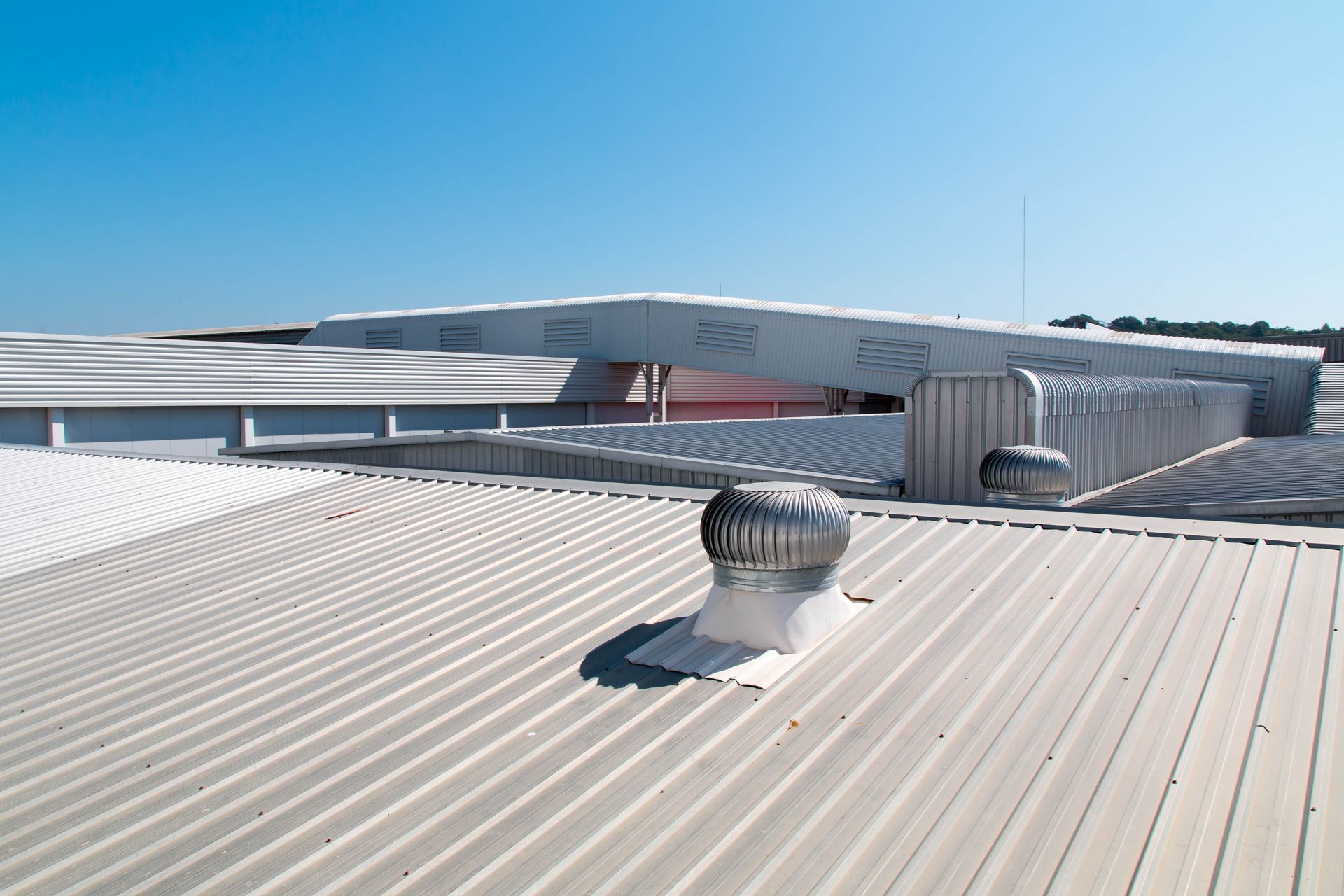
Building owners and facility managers frequently make costly capital decisions based on outdated assumptions regarding low-slope membranes, drainage engineering, and structural maintenance. Because flat and gently sloped structures operate differently from pitched residential shingles, applying household assumptions to industrial buildings often leads to premature leaks and wasted budgets. Understanding how modern commercial roofing performs under sun, wind, and thermal cycling protects both interior inventory and long-term property equity. Separating persistent industry myths from proven building science empowers property stewards to plan accurate maintenance schedules, extend membrane durability, and avoid unnecessary tear-offs across their entire building portfolio.
1. Challenging the Myth That Flat Roofs Are Completely Level
Despite their common nickname, low-slope commercial roofs are never engineered to sit perfectly level like a concrete warehouse floor. Every properly constructed assembly incorporates subtle tapered insulation or structural pitch designed to guide rainwater steadily toward interior drains, scuppers, or perimeter gutters. When water remains standing more than forty-eight hours after rainfall, known as ponding water, it indicates blocked drainage lines, compressed insulation boards, or structural deflection rather than normal design. Addressing drainage blockages early prevents ultraviolet magnification, membrane degradation, and excess dead-load weight that threatens underlying decking during heavy seasonal downpours.
2. Dispelling the Belief That New Roofs Require Zero Maintenance
Many property managers assume installing a brand-new membrane eliminates inspection needs for the first decade of ownership. In reality, severe hailstorms, windblown debris, clogged scuppers, and foot traffic from HVAC technicians can puncture or stress fresh materials within months of installation. Furthermore, most manufacturer warranties strictly mandate documented biannual inspections to keep coverage active if leaks eventually develop. Treating commercial roofing as an active building asset rather than a forgettable cap preserves seam integrity, clears organic buildup around drains, and catches minor flashing separations before moisture saturates underlying insulation boards.
3. Correcting Assumptions About Leaks Always Requiring Full Replacement
Seeing water stains on office ceiling tiles often triggers panic that an entire roof system has failed and demands immediate tear-off. Yet moisture intrusion frequently originates from localized vulnerabilities such as cracked pipe boots, separated perimeter flashing, or unsealed rooftop mechanical curbs rather than widespread membrane failure. Infrared thermography and electronic leak detection allow contractors to map isolated wet insulation pockets with pinpoint accuracy. Targeted surgical repairs or protective elastomeric coatings restore watertight performance at a fraction of full replacement costs, preserving capital budgets while extending useful service life by another decade.
4. Clarifying Why Cheapest Upfront Bids Rarely Save Money
Selecting the lowest contractor estimate during competitive bidding frequently results in thinner membrane gauges, reduced fastener densities, or skipped perimeter edge-metal upgrades. Low-bid shortcuts often compromise wind uplift resistance and thermal efficiency, forcing building owners to pay for frequent leak repairs and higher cooling bills over time. Evaluating commercial roofing proposals requires comparing insulation R-values, seam welding specifications, safety protocols, and manufacturer warranty tiers rather than bottom-line numbers alone. Investing slightly more upfront in thicker reinforced membranes and meticulous flashing craftsmanship delivers substantially lower lifecycle costs across decades of building operation.
5. Rethinking the Idea That All Membranes Perform Identically
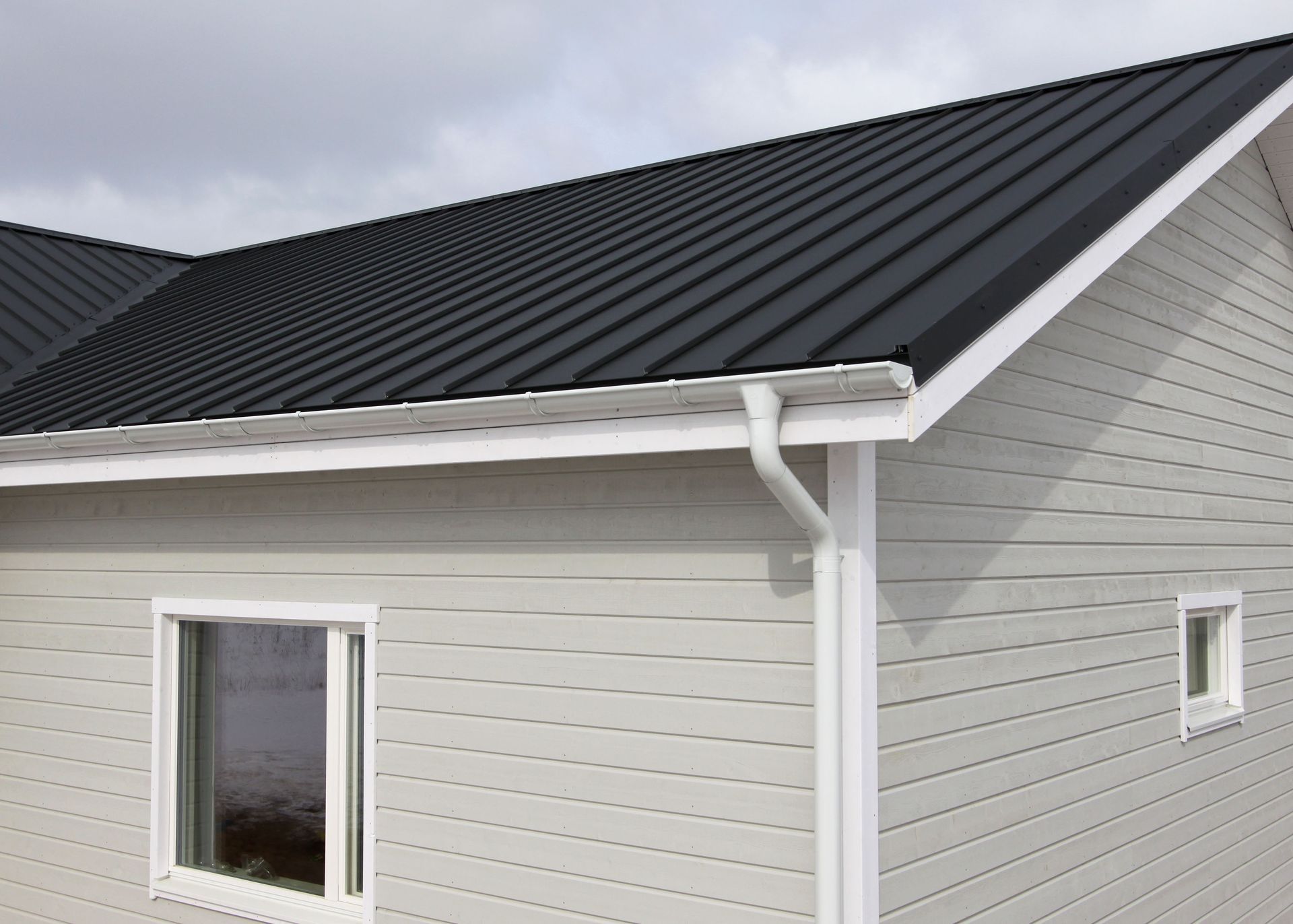
Single-ply membranes, modified bitumen, built-up systems, and standing-seam metal each possess distinct chemical strengths suited to different building operations. For instance, standard TPO reflects solar heat effectively on retail warehouses, whereas PVC resists grease and chemical exhaust vented from commercial restaurant kitchens. EPDM rubber excels in cold climates with extreme freeze-thaw cycles, while reinforced modified bitumen handles heavy maintenance foot traffic around complex rooftop equipment. Matching commercial roofing materials to specific building exhausts, foot traffic frequency, and regional weather patterns prevents premature chemical breakdown and maximizes return on capital investment.
6. Understanding Realistic Lifespans Across Different Roofing Systems
Some owners mistakenly expect every industrial roof to last half a century without intervention, while others replace serviceable systems prematurely out of caution. According to Data Intelo, the average commercial roof has an expected lifespan of 20 to 30 years, depending on material type and climate exposure. Factors like membrane thickness, UV intensity, hail frequency, and consistent preventative care heavily influence where a particular building lands within that range. Tracking installation dates alongside semi-annual condition reports helps facility teams forecast capital reserves accurately instead of reacting to sudden structural emergencies.
7. Addressing Misconceptions Around Roof Overlays and Building Codes
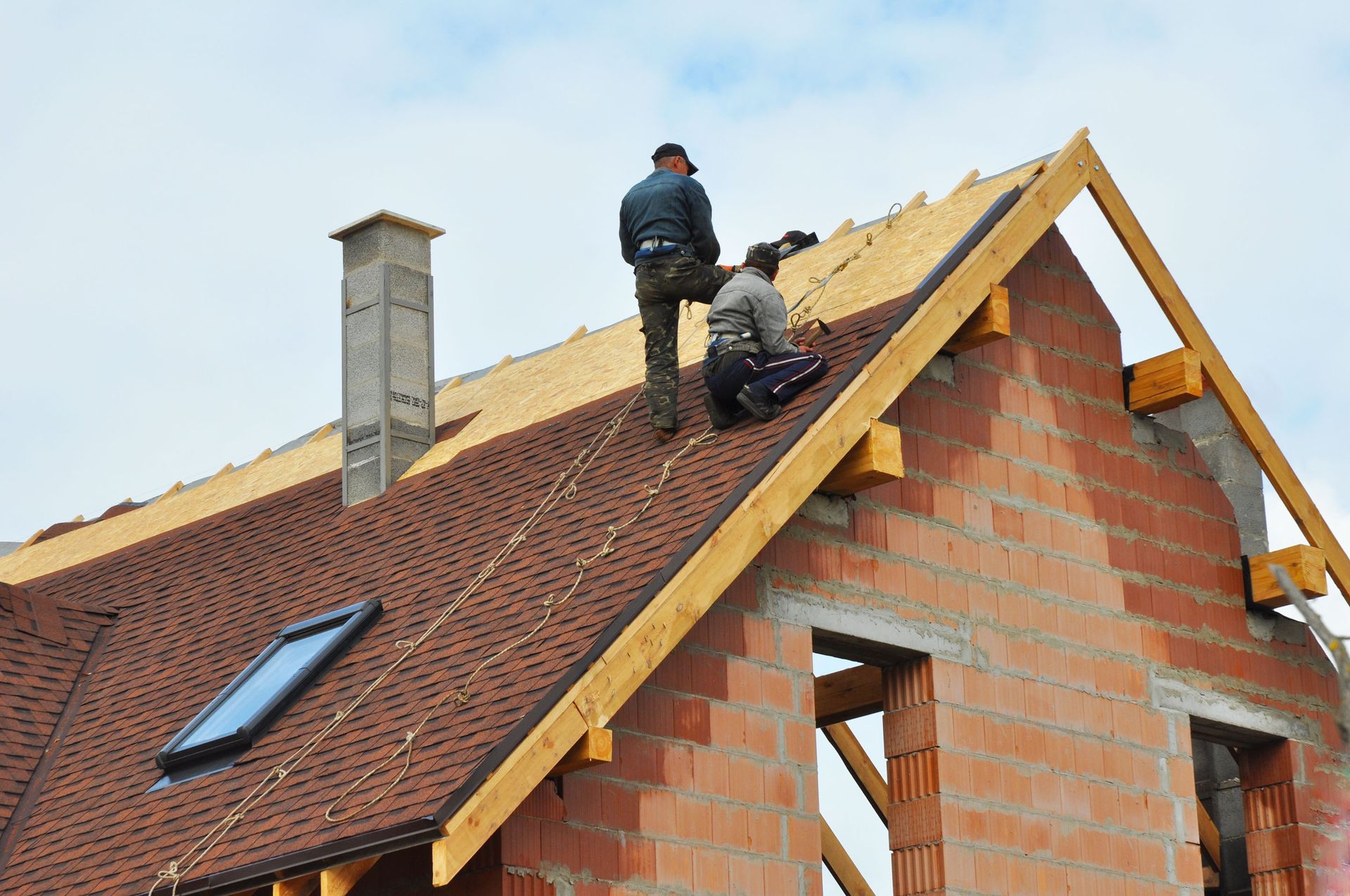
A widespread assumption suggests property owners can endlessly layer new membranes directly over aging assemblies to dodge tear-off labor expenses. While recover installations work well when existing substrates remain dry and structurally sound, building codes strictly limit properties to two total roofing layers. Trapping wet insulation beneath a fresh membrane accelerates deck corrosion, fosters hidden mold growth, and voids manufacturer wind-uplift ratings. Core sampling and moisture scans must always precede any overlay project to confirm existing layers provide a dry, stable foundation capable of supporting modern commercial roofing assemblies.
8. Debunking the Notion That Winter Weather Halts All Repairs
Facility managers often postpone critical leak mitigation until spring thaw, assuming cold temperatures make membrane repairs impossible. Although extreme subzero conditions affect certain solvent adhesives, experienced commercial crews utilize cold-weather primers, heat-welded thermoplastic patches, and specialized temporary sealants year-round. Leaving active leaks unattended throughout winter allows freeze-thaw cycles to expand small cracks, saturate fiberglass insulation, and corrode steel decking beneath snow. Prompt cold-weather intervention stabilizes vulnerable flashings and prevents minor autumn punctures from escalating into costly interior drywall, electrical, and inventory damage before spring arrives.
9. Overcoming Confusion About Rooftop Foot Traffic and Warranties
Many building owners assume standard maintenance personnel, solar installers, and cable technicians can walk freely across low-slope membranes without restrictions. Dropped screwdrivers, sharp gravel embedded in work boots, and heavy equipment panels easily slice single-ply sheets during routine HVAC filter changes. Most manufacturer warranties explicitly exclude puncture damage caused by unauthorized rooftop access or unapproved equipment installations. Installing designated walkway pads along high-traffic service routes and maintaining rooftop access logs protects delicate seams while ensuring third-party contractors coordinate penetrations with certified commercial roofing specialists.
10. Evaluating Solar Panel Installations and Structural Compatibility
Property owners increasingly explore rooftop solar arrays for energy savings, often assuming any flat roof can support photovoltaic racking without preparation. Solar installations typically remain operational for twenty-five to thirty years, making it financially unwise to mount panels atop an aging membrane nearing retirement. Additionally, ballasted racking systems add substantial dead weight while concentrating wind uplift forces across specific deck zones. Coordinating structural engineering reviews and upgrading membranes prior to solar mounting prevents expensive panel removal and reinstallation expenses midway through your renewable energy system's productive lifespan.
Dispelling common myths surrounding drainage design, material selection, leak diagnostics, and preventative upkeep transforms how property owners manage overhead building assets. Rather than reacting to ceiling stains or relying on lowest-bid guesswork, proactive facility teams pair semi-annual inspections with moisture scans and targeted repairs. Partnering with experienced commercial roofing professionals ensures every maintenance dollar strengthens weather resistance, preserves warranty compliance, and maximizes insulation efficiency. Armed with accurate building science, owners can protect tenants, equipment, and property value reliably throughout every season.
Are you seeking a professional and reliable commercial roofing team in Southwest Michigan and the surrounding areas? At Future Construction, we pride ourselves on providing top-tier commercial roofing services, residential roofing, siding, and much more! Contact us today to learn more about our many services or to request an estimate for your next project. We look forward to serving you!