February 26, 2026
When hiring a local roofing contractor, it's crucial to ask the right questions to ensure you receive quality work and a lasting roof. Selecting a contractor involves not just assessing their technical ability but also evaluating their communication style and reliability. An informed decision ultimately protects your investment and guarantees you peace of mind. This article outlines essential considerations and inquiries to make before signing any contract with a local roofing contractor. By following this guide and asking these five questions, homeowners can navigate the complexities of roof installation or repair with confidence.
1. What Is Your Company's Full Name and Physical Address?
Establishing Credibility
Understanding a contractor's location and operating name helps verify their legitimacy. A reputable contractor should have no issue providing a full business name and stable address. This information supports due diligence, allowing potential clients to research the company's background and public reviews. Verifying these details can prevent engagement with unqualified individuals misrepresenting themselves as professionals. An established business is likely to have carried out numerous projects successfully, contributing positively to their credibility.
Verifying Business Registration
Check if they are registered with local business authorities to avoid scams. A registered contractor is committed to adhering to industry standards and regulations. Homeowners should confirm contractor details through local business registries or the Better Business Bureau. Failure to register can indicate that the contractor might circumvent regulations, compromising safety and quality. Ensuring proper registration supports transparency and reassures clients of the contractor's dedication to lawful operations.
The Importance of Local Presence
Locally-based companies understand local regulations and climate conditions better. Their proximity to the project site allows for a more personal, swift, and informed approach to service. A knowledge of specific regional climate challenges enhances their capability to recommend the best roofing solutions. According to This Old House, the roofing contractor industry in the U.S. was projected to be worth $76.4 billion by the end of 2025, reflecting the substantial demand and trust in localized expertise. Contractors embedded within the community often have a reputation to uphold, fostering greater accountability.
2. Are You Licensed and Insured?
Understanding Licensing Requirements
Learn why a license matters and what it indicates about their expertise. Licensing demonstrates that the contractor has the knowledge and capability to meet state or local standards. Moreover, it signifies that they comply with safety protocols and building codes. A license can reassure homeowners that they're dealing with a local roofing contractor committed to quality workmanship. Verification of the contractor's license can prevent engaging with unqualified tradespeople posing risks to your property.
Types of Insurance Coverage
Ensure both liability insurance and workers' compensation are in place. Liability insurance protects homeowners in case of property damage caused by the contractor's crew. Workers' compensation covers injuries to workers who might get hurt while on the job site. Without these insurances, homeowners could be financially responsible for damages or medical expenses. Prioritizing insured contractors shields homeowners from unforeseen liabilities during project execution.
How to Verify Licenses
Steps to confirm the contractor's license status with issuing authorities. Begin by asking the contractor for their license number and validate it with the issuing state or local board. Many state contractor licensing boards maintain online databases accessible to the public. Also, check the expiration date of the license to ensure it is current. Thorough verification can safeguard against fraud and underscore the contractor's commitment to compliance.
3. Can You Provide References From Recent Projects?
The Value of Client Testimonials
How reviews and feedback reflect a contractor's track record and reliability. Reputable contractors will readily provide references to establish trust and promote transparency. For homeowners, references are an invaluable tool to verify project outcomes and gauge customer satisfaction. Feedback from previous clients can highlight the contractor's strengths and pinpoint areas needing improvement. Trustworthy testimonials often begin transforming potential clients into project partners through credibility and assurance.
Building Trust Through Transparency
Verified references demonstrate the contractor's openness and honesty. During initial consultations, contractors should willingly present contact information for past clients. This gesture not only signifies confidence in their work but also their willingness to assume accountability for various project outcomes. When contractors facilitate this transparency, they begin forming a relationship of trust. Ongoing communication and reference sharing position the contractor as an informed partner interested in securing the best outcomes for their clients.
Analyzing Past Project Consistency
Look for evidence of consistent quality and customer satisfaction. Consistency across multiple projects indicates the contractor's dedication to maintaining high standards in materials, techniques, and client relations. By exploring reviews from multiple projects, homeowners can identify patterns in delivery timeliness and problem resolution. Projects should consistently meet or exceed expectations, strengthening the contractor's reputation for excellence. Such patterns of reliability reassure clients of the contractor's enduring commitment to best practices.
4. What Is Your Experience With Different Roofing Materials?
Evaluating Material Expertise
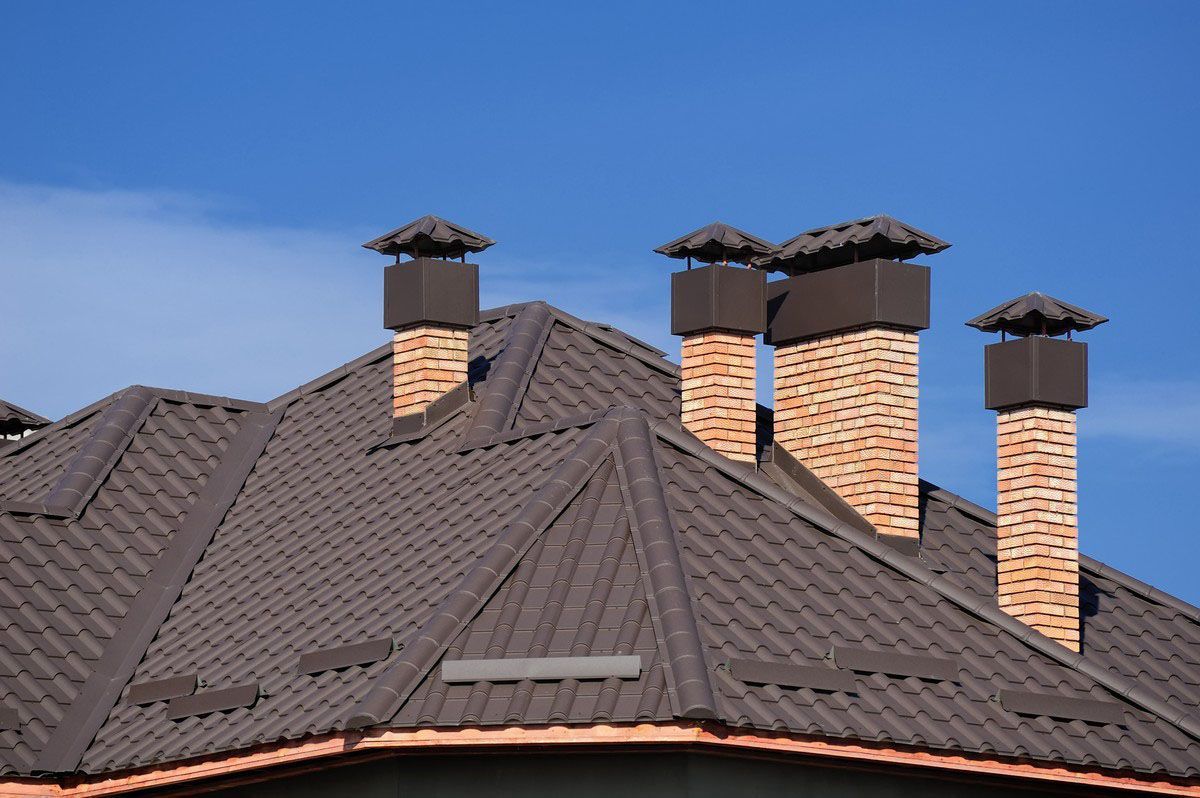
Contractor's familiarity with various roofing materials and their pros/cons. An experienced contractor should discuss the benefits and drawbacks of materials like asphalt shingles, metal roofing, or tiles. Knowledge about which materials perform better in certain climates is crucial. Understanding the material characteristics can help homeowners make informed, cost-effective decisions for their roofing needs. An expert conversant with diverse material options enriches the homeowner's decision-making process through informed recommendations.
Specialization in Specific Roof Types
Why some contractors may specialize in certain types of materials. Specialization often results from repeated successful installations or unique geographical or architectural demands. For instance, a contractor may prefer metal roofs due to regional weather patterns necessitating durability and resistance. Creative adaptation of their specialized knowledge to align with client needs illustrates their problem-solving capacity. Clients benefit from this focused expertise, oftentimes through improved project performance and outcome satisfaction.
Material-Specific Installation Techniques
The importance of using the right techniques for different materials. Each material requires specific installation methods to secure performance and longevity. Contractors experienced in particular materials deploy tailored strategies to address unique installation challenges. Proper adherence to these techniques reduces the risk of future issues, enhancing the roof's lifespan. Hence, matching materials with skilled craftsmanship is key in achieving desired durability and aesthetic appeal.
5. What Does Your Project Timeline Look Like?
Understanding Project Scheduling
How clear timelines can set expectations and ensure project transparency. A well-defined timeline assists both homeowners and contractors in anticipating project phases and durations. Breaking a complex project into manageable stages fosters a shared understanding of progress. Detailed scheduling allows seamless coordination of resources, thereby optimizing project flow. When documented, timelines support accountability by offering quantifiable benchmarks of completion readiness.
Factors Affecting Project Duration
Discuss materials, weather, and manpower influences on timelines. Variability in material availability or suitability can alter project length and delivery expectations. Weather unpredictably impacts work schedules, necessitating flexibility to accommodate conditions like rain or extreme heat. Manpower levels and expertise also dictate task execution pace. Recognizing these dynamic influences empowers the collaboration necessary for navigating uncertain circumstances.
Communicating Delays and Adjustments
How should a local roofing contractor inform clients about schedule changes? Clear communication on schedule deviations demonstrates professional maturity. Proactive contractor updates allow clients to plan accordingly and prevent frustration born out of unexpected delays. Open discussion of adjustments demands transparency, showcasing a contractor's commitment to customer service. Effective communication is a decisive factor in maintaining trust throughout the project lifecycle.
Finding the right local roofing contractor involves knowing the essential questions to ask. By ensuring the contractor meets all criteria in professionalism, expertise, communication, and problem-solving, homeowners can feel confident they are making a sound investment in their property. Engaging the right local roofing contractor ensures peace of mind, along with long-term performance and security for homeowners' cherished investments. Through informed questioning and thorough selection, homeowners achieve roofing solutions in alignment with both aesthetic desires and functional requirements. Reach out to Future Construction today to get started with professionals you can count on.